Stock photos are an essential resource for businesses, students, and creatives who need high-quality visuals for projects, marketing campaigns, and presentations. However, costs can quickly add up, especially when you frequently require premium-quality images. Knowing how to use stock photos smartly and cost-effectively can make a significant difference. Here are some practical strategies to save money without compromising on quality.
Explore Free Options Before Paying
Many stock photo platforms, including leading providers, offer a selection of free images and videos. Before diving into paid plans, it’s worth exploring these free libraries. Often, they contain a wide variety of images suitable for everyday needs, from professional to casual themes. Platforms like Canva, iStock, Unsplash, and Pexels provide an excellent starting point for finding free high-resolution content.
Even on paid platforms, occasional free offerings may be available for registered users. Keep an eye on promotions or seasonal giveaways to access premium content without additional costs.
Choose the Right Subscription Plan
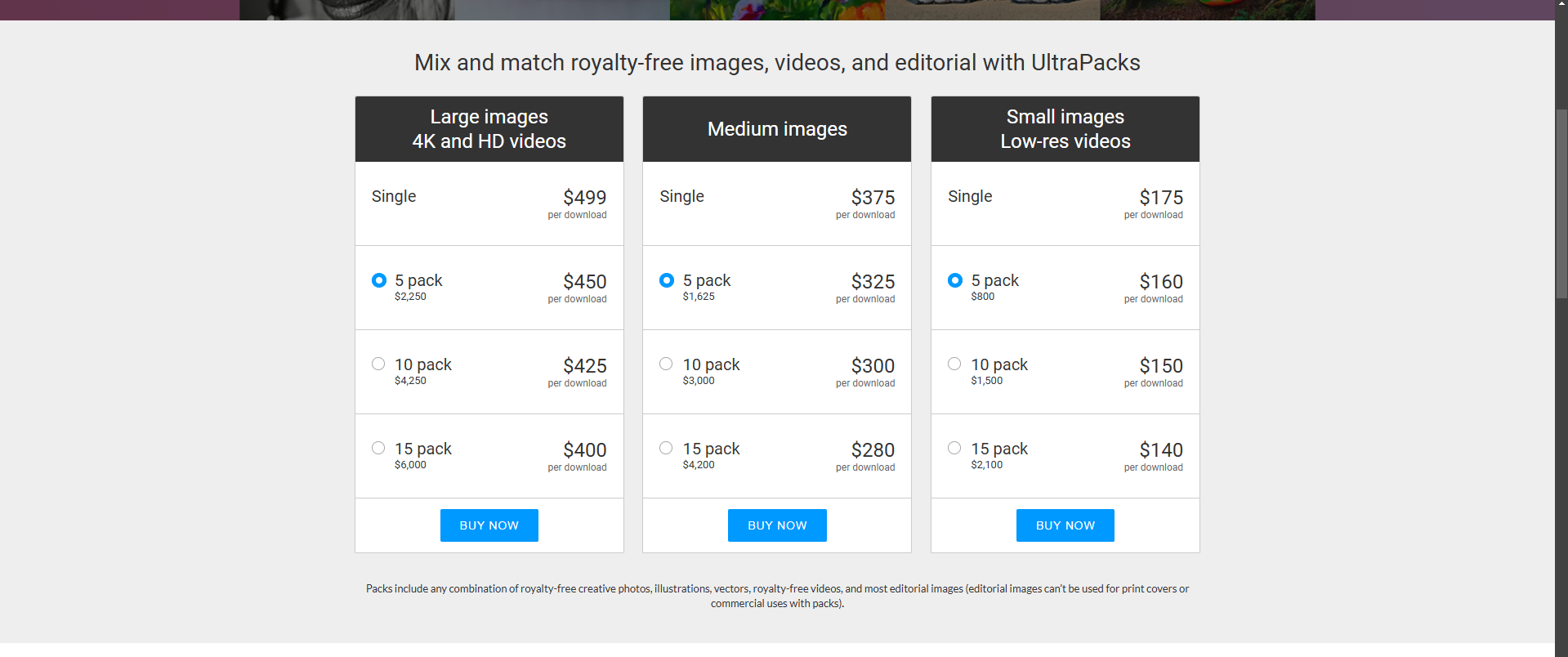
Subscription plans can significantly reduce the cost per image, especially if you frequently need visuals. Instead of purchasing individual downloads, opting for a plan that aligns with your usage can help you stretch your budget. Stock photo providers often offer tiered plans, allowing you to choose based on how many images you need each month.
Before committing, take the time to explore and discover the plans available. Some providers offer affordable starter options ideal for light users, while others cater to heavy users with unlimited download plans. By understanding your specific needs, you can avoid overspending on features you don’t require.
Leverage Discounts and Bundles
Many stock photo websites offer discounts for new users, students, or businesses. Look for promotional offers, holiday sales, or referral discounts to lower your initial costs. Additionally, some platforms bundle image downloads, allowing you to purchase a set number of images at a discounted rate instead of paying per download.
Group discounts are another way to save if you’re part of a team or organization. Some platforms allow team members to share a subscription, splitting the cost and ensuring everyone gets access to high-quality visuals.
Reuse and Repurpose Content
To maximize the value of your stock photo purchases, focus on choosing versatile images that can be reused across multiple projects. For example, a single high-quality image can serve as a blog banner, social media post, or part of a presentation. By repurposing content creatively, you’ll reduce the need for frequent downloads and save money over time.
Similarly, consider using image editing tools to customize a stock photo to fit different projects. Adding text, changing colors, or cropping can give the same image a fresh look and feel, making it suitable for varied contexts.
Pay Attention to Licensing
Understanding licensing terms is crucial when working with stock photos. Some licenses restrict how and where images can be used, which could lead to unexpected costs if you need to upgrade. Always ensure that your intended usage aligns with the licensing terms of your chosen images. For more details, click here for more information about licensing types and restrictions on your provider’s website.
Conclusion
Saving money on stock photos doesn’t mean sacrificing quality or creativity. By exploring free resources, selecting the right subscription, taking advantage of discounts, and reusing content strategically, you can get the most value from your stock photo investments. Smart planning and understanding your needs will ensure you stay within budget while producing standout visuals for your projects.
Google Images has revolutionized the way we search for and discover visual content online. Since its launch in 2001, this powerful tool has become an integral part of our digital lives, offering instant access to billions of images from across the web.
We’ve all experienced the convenience of finding just the right picture for a presentation, blog post, or creative project. But Google Images is more than just a simple search engine. It’s a gateway to a vast visual landscape, constantly evolving with advanced features like reverse image search and content-based image retrieval. As we delve into the world of Google Images, we’ll explore its history, functionality, and impact on how we interact with visual information in the digital age.
Key Takeaways
Google Images, launched in 2001, revolutionized visual content search with advanced features like reverse image search and AI-powered recognition.
The platform uses complex algorithms for crawling, indexing, and ranking billions of images from across the web.
Key features include advanced search filters, reverse image search, and Google Lens integration for enhanced visual discovery.
Businesses and creators can optimize their images for better visibility using SEO best practices and protect their visual content through various strategies.
The future of Google Images involves AI and machine learning advancements, as well as emerging visual search trends like AR integration and voice-activated search.
What Is Google Images?
Google Images is a specialized search engine developed by Google that focuses on finding and displaying visual content from across the web. Launched in 2001, it’s become an integral part of the Google search ecosystem, allowing users to quickly locate and access a vast array of images related to their search queries.
This powerful tool indexes billions of images from websites worldwide, categorizing them based on various factors such as content, size, and file type. Users can easily search for specific images by entering keywords, phrases, or even using existing images as search inputs.
Google Images offers several key features that set it apart:
Advanced search filters: Users can refine results by size, color, type, usage rights, and more.
Reverse image search: Allows searching with an image instead of text to find similar images or sources.
Image recognition technology: Identifies objects, faces, and text within images to improve search accuracy.
Integration with other Google services: Seamlessly works with Google Search, Maps, and Lens for enhanced functionality.
While Google Images is a popular choice for finding visual content, it’s important to note that other platforms like Adobe Stock and Depositphotos also offer extensive image libraries, particularly for content creators seeking high-quality, licensed images for their projects.
The History of Google Images
Google Images has come a long way since its inception, revolutionizing how we search for and interact with visual content online. Let’s explore the journey of this groundbreaking image search engine.
Early Days of Image Search
Google Images launched in July 2001, sparked by an unprecedented surge in search queries for Jennifer Lopez’s iconic green Versace dress worn at the 2000 Grammy Awards. This event highlighted the need for a dedicated image search feature. Initially, the service indexed 250 million images, a fraction of today’s vast database.
2007: Google introduced the “Similar Images” feature, enhancing image discovery.
2009: The “Safe Search” filter was implemented to screen explicit content.
2010: Google rolled out image search by subject, improving relevance and accuracy.
2013: The interface underwent a significant redesign, focusing on larger thumbnails and infinite scrolling.
2015: Google Images introduced rich snippets, providing more context for search results.
2018: The platform integrated Google Lens technology, enabling users to search what they see.
Throughout its evolution, Google Images has consistently improved its functionality, making it an indispensable tool for content creators and casual users alike. While platforms like Adobe Stock and Depositphotos offer specialized services for licensed content, Google Images remains the go-to resource for quick and comprehensive visual searches.
How Google Images Works
Google Images operates through a complex system of crawling, indexing, and ranking images from across the web. This process enables users to find relevant visual content quickly and efficiently. Here’s a closer look at the key components of Google Images’ functionality:
Image Crawling and Indexing
Google Images uses sophisticated web crawlers, known as Googlebot, to scan and discover images on websites across the internet. These crawlers systematically visit web pages, following links and analyzing the content to identify and catalog images. The process includes:
Detecting image files in various formats (JPEG, PNG, GIF, etc.)
Extracting metadata associated with images, such as alt text and file names
Analyzing surrounding text and page content for contextual information
Storing image data and associated information in Google’s vast index
This comprehensive indexing allows Google Images to maintain an extensive database of visual content, rivaling platforms like Adobe Stock and Depositphotos in terms of variety and accessibility.
Search Algorithms and Ranking Factors
When a user searches for images on Google, complex algorithms determine which images to display and in what order. These algorithms consider numerous factors to ensure the most relevant and high-quality results appear first:
Relevance to the search query
Image quality and resolution
File type and size
Website authority and reputation
User engagement metrics (e.g., click-through rates)
Google Images’ ranking system also incorporates machine learning techniques to improve search results continually. This advanced technology helps content creators find appropriate visuals for their projects, whether they’re sourcing from Google Images or other platforms like Adobe Stock.
Key Features of Google Images
Google Images offers a range of powerful features that enhance the user experience and make visual content discovery more efficient. These key features set it apart from other image search engines and provide valuable tools for content creators and casual users alike.
Image Search Filters
Google Images’ advanced search filters allow users to refine their search results with precision. Users can filter images by size, color, type, usage rights, and more. For content creators, these filters are particularly useful when searching for specific image dimensions or color schemes to match their projects. The usage rights filter helps ensure that images are properly licensed for the intended use, which is crucial for professional and commercial applications.
Reverse Image Search
Reverse image search is a powerful tool that enables users to search using an image instead of text. Users can upload an image or provide an image URL, and Google Images will find visually similar images, as well as websites that contain that image. This feature is invaluable for:
Identifying the source of an image
Finding higher resolution versions of an image
Discovering related images or content
Verifying the authenticity of an image
For content creators, reverse image search can help in finding inspiration, checking for potential copyright infringement, or locating original sources of visual content.
Google Lens Integration
Google Lens integration brings advanced image recognition capabilities to Google Images. This feature allows users to:
Identify objects within images
Extract text from images
Find products similar to those in the image
Discover more information about landmarks or artwork
For content creators, Google Lens integration offers new ways to research and gather information about visual elements in their projects. It can help in identifying specific objects, styles, or themes that can inform their creative process.
Using Google Images Effectively
Google Images offers powerful tools for content creators and casual users alike. We’ll explore advanced techniques and important considerations to maximize the platform’s potential.
Advanced Search Techniques
Google Images provides several advanced search options to refine results:
Size: Filter images by small, medium, large, or specific dimensions
Color: Choose from full color, black and white, or specific color options
Type: Narrow results to face, photo, clip art, line drawing, or animated images
Time: Limit results to images published within a specific timeframe
Usage rights: Filter images based on license type
To access these options, click on the “Tools” button below the search bar. Combining multiple filters helps narrow down results to find the most suitable images for your project.
Understanding Usage Rights
Content creators must be aware of image usage rights to avoid copyright infringement:
Labeled for reuse: Images can be used freely for any purpose
Labeled for reuse with modification: Images can be edited and used for any purpose
Labeled for noncommercial reuse: Images can be used for non-profit purposes only
Labeled for noncommercial reuse with modification: Images can be edited and used for non-profit purposes only
We recommend always verifying the license terms on the original source website, as Google’s filters may not always be up-to-date. For commercial projects, consider using stock image platforms like Adobe Stock or Depositphotos, which offer extensive libraries of licensed content creator images.
Google Images for Businesses and Creators
Google Images offers valuable tools for businesses and content creators to enhance their online presence and protect their visual assets. We’ll explore best practices for image SEO and strategies to safeguard visual content.
Image SEO Best Practices
Optimizing images for Google Images can significantly improve visibility and drive traffic to your website. Here are key SEO practices for images:
Use descriptive, keyword-rich file names
Implement relevant alt text for accessibility and SEO
Compress images to improve load times
Create image sitemaps for easier indexing
Ensure images are mobile-friendly and responsive
Use schema markup to provide additional context
Leverage lazy loading for improved page performance
By following these practices, businesses and creators can increase the likelihood of their images appearing in Google Images search results, potentially attracting more visitors to their websites.
Protecting Your Visual Content
Safeguarding visual assets is crucial for businesses and content creators. Here are strategies to protect your images:
Add watermarks to discourage unauthorized use
Embed copyright information in image metadata
Use Google’s DMCA takedown process for infringement
Implement right-click disabling on your website
Utilize low-resolution previews for high-value content
Register copyrights for important images
Monitor image use with reverse image search tools
While these methods help protect visual content, it’s important to balance protection with visibility. Overly restrictive measures may hinder discoverability on Google Images. For businesses and creators seeking high-quality, licensed images, platforms like Adobe Stock and Depositphotos offer extensive libraries with proper licensing options, ensuring legal compliance and protecting against copyright issues.
The Future of Google Images
Google Images continues to evolve, adapting to new technologies and user needs. We’ll explore the potential advancements and trends that are shaping the future of this powerful visual search tool.
AI and Machine Learning Advancements
AI and machine learning are revolutionizing Google Images’ capabilities. These technologies enhance image recognition, improving the accuracy of search results and providing more relevant content to users. Advanced algorithms now allow Google Images to understand complex visual concepts, making it easier for content creators to find precise matches for their projects.
We’re seeing improvements in:
Object detection: Identifying multiple objects within a single image
Facial recognition: Detecting and categorizing faces in photos
Scene understanding: Comprehending the context and environment of an image
Style transfer: Applying artistic styles to images in real-time
These advancements benefit both casual users and professional content creators, streamlining the process of finding and utilizing visual content across various platforms, including Google Images and stock photo services like Adobe Stock.
Visual Search Trends
Visual search is transforming how we interact with images online. Google Images is at the forefront of this trend, incorporating new features that make searching more intuitive and efficient.
Voice-activated image search: Using voice commands to find and manipulate images
Visual shopping experiences: Enabling users to search for products by image rather than text
Cross-platform compatibility: Seamlessly integrating Google Images with other services and devices
These trends are reshaping how content creators source and utilize images, offering new possibilities for creative projects and marketing campaigns. As visual search evolves, we expect to see even more integration between Google Images and other platforms, potentially including partnerships with stock photo services to provide seamless access to high-quality, licensed content.
Conclusion
Google Images has revolutionized our approach to visual content discovery and utilization. We’ve seen its evolution from a simple search tool to a sophisticated platform integrating AI and machine learning. As content creators and casual users alike we benefit from its advanced features and vast database. Looking ahead we can expect Google Images to continue pushing boundaries in visual search technology. It’ll undoubtedly play a crucial role in shaping how we interact with and leverage visual information in our increasingly digital world.

 Even on paid platforms, occasional free offerings may be available for registered users. Keep an eye on promotions or seasonal giveaways to access premium content without additional costs.