A strong brand identity relies heavily on visual consistency. While logos, typography, and color palettes are essential components, photography often serves as the most immediate connection between a brand and its audience. Stock photography provides businesses with accessible visual resources, but without a clear style guide, even high-quality images can create confusion rather than cohesion. Developing a stock photo style guide ensures every image aligns with the brand’s personality, message, and long-term marketing goals.
Why a Stock Photo Style Guide Matters
Brands communicate visually before audiences read a single word. Consistent imagery strengthens recognition, builds credibility, and helps customers quickly understand what a brand represents. Without guidelines, teams may select images based on personal preference rather than brand alignment, resulting in inconsistent marketing materials.
A stock photo style guide establishes clear rules for image selection and usage. It becomes a reference for designers, marketers, and content creators, ensuring everyone follows the same visual direction. Whether sourcing images from premium libraries or using a Getty Images Promo Code to access professional collections, consistency remains the key factor in building a recognizable brand.
Define Your Brand Personality Through Images
The first step in creating a stock photo style guide is defining the brand personality. Every brand conveys emotion through visuals, and photography should reflect that identity.
Consider whether the brand feels modern, professional, friendly, innovative, or luxurious. A corporate consulting company may favor clean office environments and confident professionals, while a lifestyle brand might prioritize natural settings and candid moments.
Document the emotional tone your imagery should convey. Words such as “authentic,” “energetic,” “minimalist,” or “warm” help guide image selection and prevent mismatched visuals across campaigns.
Establish Visual Elements and Photography Standards
A strong stock photo style guide includes specific visual rules. These standards help maintain consistency even when different team members select images.
Key elements to define include lighting style, color tones, and composition. For example, brands may choose bright natural lighting over dramatic shadows or prefer neutral backgrounds instead of busy environments. Consistent framing, camera angles, and subject positioning also contribute to visual harmony.
Another important factor is diversity and representation. Imagery should reflect the brand’s audience authentically and inclusively. This strengthens emotional connection and reinforces brand values.
Using premium libraries through a Getty Images Promo Code can help brands access curated collections that meet professional quality standards while staying aligned with visual guidelines.
Create Image Do’s and Don’ts
Including clear do’s and don’ts simplifies decision-making for creative teams. Examples of recommended practices might include selecting candid expressions, natural poses, and realistic settings. On the other hand, brands may avoid overly staged corporate imagery, excessive filters, or outdated visual trends.
Providing visual examples within the style guide is highly effective. Showing approved image styles alongside rejected ones helps teams quickly understand expectations and reduces inconsistency.
Customize Stock Photos to Strengthen Branding
Even the best stock photos benefit from customization. Applying consistent editing styles, color grading, or graphic overlays ensures images feel uniquely connected to the brand.
Simple adjustments such as uniform cropping, brand-colored accents, or consistent typography placement transform stock photos into cohesive branded assets. Over time, audiences begin recognizing the brand through visual patterns rather than individual campaigns.
Maintaining and Updating the Style Guide
A stock photo style guide should evolve as the brand grows. Regular reviews allow teams to adapt to new marketing channels, audience preferences, and design trends while maintaining core identity elements.
Encourage collaboration between marketing, design, and leadership teams when updating guidelines. This ensures visuals remain relevant without losing brand consistency.
Conclusion
A well-developed stock photo style guide is an essential tool for building a strong brand identity. By defining visual standards, aligning imagery with brand personality, and leveraging high-quality resources—such as collections accessed with a Getty Images Promo Code—businesses can create cohesive, professional visuals across all platforms. Consistent photography not only enhances brand recognition but also strengthens audience trust and long-term marketing success.
Finding the perfect stock photo can make or break your content strategy. I’ve spent years navigating the vast libraries of stock photography and discovered that these ready-made images are essential tools for bloggers, marketers, and designers alike.
Stock photos save time and money while adding visual appeal to websites, social media posts, and marketing materials. They’re professionally shot, edited, and ready to use without the hassle of organizing photoshoots. I’ll guide you through understanding licensing options, selecting authentic images that resonate with your audience, and avoiding common pitfalls like overused or clichéd visuals.
What Are Stock Photos and Why They Matter
Stock photos are pre-created professional images available for licensing and use across various media platforms. These ready-made visuals are professionally shot, edited, and curated specifically for commercial and editorial purposes. When I need high-quality imagery without commissioning a custom photoshoot, stock photos provide an immediate solution.
Definition and Types of Stock Photos
Stock photos come in three primary categories that determine how you can use them:
Royalty-free stock photos – One-time payment grants perpetual usage rights with minimal restrictions, making them ideal for blogs, social media, and marketing materials
Rights-managed stock photos – Usage is restricted to specific parameters like timeframe, geography, and medium, often requiring exclusive licenses
Public domain stock photos – Images with expired or relinquished copyrights available for unrestricted use, though quality varies considerably
Many photographers and agencies create stock photos specifically for commercial purposes, ensuring technical quality and versatile applications. These images populate vast online libraries where businesses and individuals can browse, select, and buy stock photos that align with their needs.
The Importance of Stock Photography in Modern Media
Stock photography serves as the visual backbone for countless media outlets, businesses, and content creators. The significance of quality stock photos extends beyond mere decoration:
Time efficiency – Accessing professional imagery instantly rather than spending days or weeks on custom photoshoots
Cost-effectiveness – Purchasing stock photos costs a fraction of hiring photographers, models, and production crews
Legal protection – Properly licensed stock photos include model releases and property clearances, reducing liability risks
Visual consistency – Access to millions of images with similar styles, lighting, and themes creates cohesive brand aesthetics
Content optimization – Studies show content with relevant images gets 94% more views than text-only alternatives
For businesses operating on tight budgets, cheap stock photos from reputable sources offer a practical solution without compromising quality. The stock photos marketplace continually evolves to meet emerging visual trends and industry-specific needs.
The History and Evolution of Stock Photography
Stock photography has transformed dramatically since its inception, evolving from physical archives to vast digital repositories. The journey of stock photos reflects broader changes in technology, business models, and visual culture over the decades.
From Film to Digital: A Transformation
Stock photography began in the 1920s when H. Armstrong Roberts established the first stock photo agency, creating a library of pre-shot images available for commercial use. Early stock photos were physical prints or transparencies stored in filing cabinets, requiring manual searching and physical delivery. The transition to digital formats in the 1990s revolutionized the industry, eliminating physical storage limitations and dramatically expanding accessibility. Digital technology enabled photographers to produce more images at lower costs, while the internet created new distribution channels for stock photos. Today’s digital stock photography offers instant downloads, searchable metadata, and preview options that weren’t possible in the film era.
The Rise of Stock Photo Agencies
Stock photo agencies emerged as crucial intermediaries between photographers and clients seeking quality images. Getty Images, founded in 1995, became a dominant force by acquiring smaller agencies and building extensive collections of stock photos. Shutterstock launched in 2003 with a subscription-based model that disrupted traditional pricing structures, making it easier to buy stock photos at affordable rates. The industry further evolved with microstock platforms like iStockphoto (now owned by Getty), offering cheap stock photos through crowd-sourced content from amateur and professional photographers alike. These agencies standardized licensing terms, quality control, and search functionality, creating marketplaces where businesses could efficiently find and purchase stock photos for commercial projects. The competition among agencies has ultimately benefited consumers with more diverse imagery, flexible pricing options, and improved search capabilities for finding the perfect stock photos image for any project.
Top Stock Photo Websites for Every Budget
Finding the perfect stock photos for your projects doesn’t have to break the bank. I’ve curated a selection of stock photo platforms that cater to various budget needs, from premium services with extensive libraries to free resources that don’t compromise on quality.
Premium Stock Photo Services
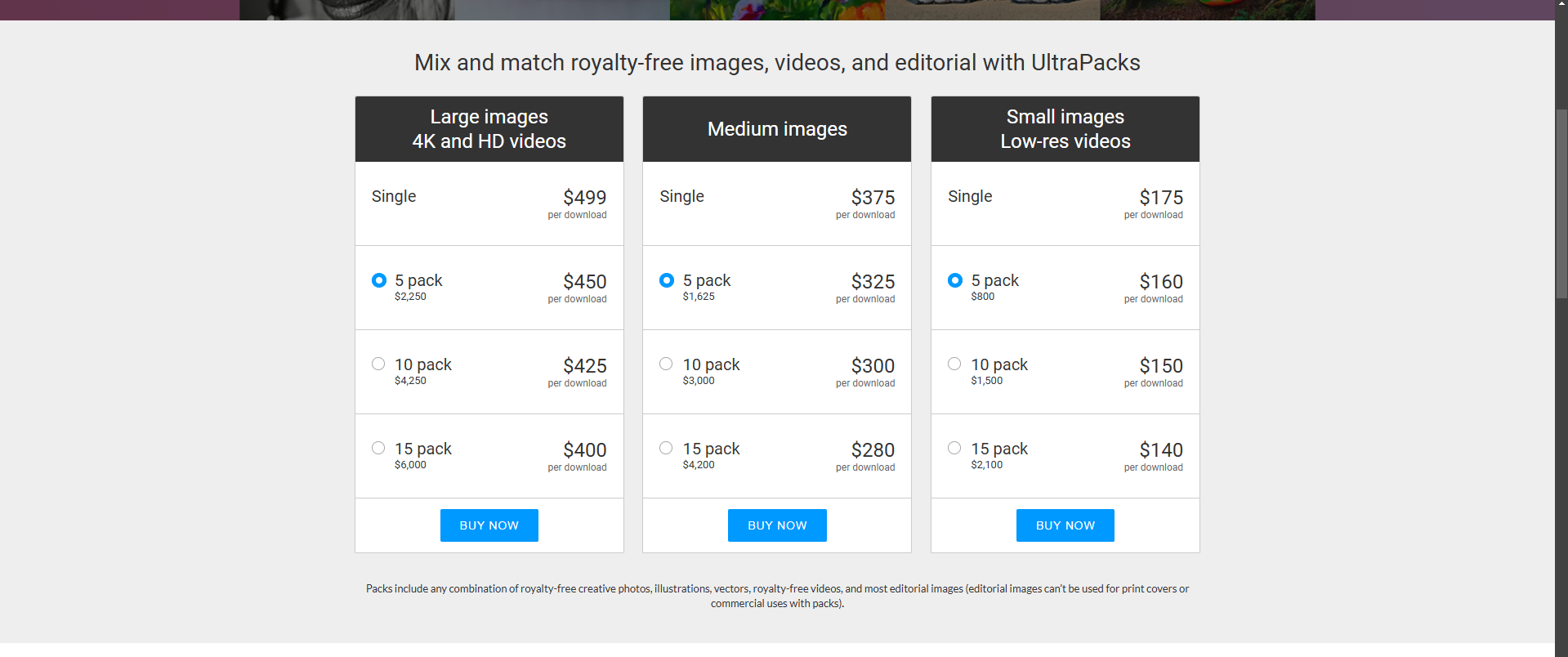
Premium stock photo websites offer vast collections of high-quality images with comprehensive licensing options. Shutterstock stands out with over 400 million images and flexible subscription plans starting at $29/month for 10 downloads. Adobe Stock integrates seamlessly with Creative Cloud applications and provides 10 standard assets monthly for $29.99. Getty Images, though pricier at $175+ per image, delivers exclusive, high-end photography you won’t find elsewhere. When you buy stock photos from these premium services, you’re investing in superior image quality, advanced search filters, and legal protection through clear licensing terms. iStock (by Getty) offers a budget-friendly alternative with credit packs starting at $12 per credit and subscription options from $29 monthly.
Free Stock Photo Resources
Free stock photo websites have revolutionized content creation for budget-conscious professionals. Unsplash features over 3 million high-resolution images donated by photographers worldwide, with no attribution required. Pexels offers 3+ million free stock photos and videos searchable by color, orientation, and size. Pixabay’s library contains 2.3 million royalty-free images, vectors, and illustrations available without attribution. StockSnap.io uploads hundreds of high-resolution images weekly with no copyright restrictions. While these platforms offer impressive free stock photos, they typically have smaller libraries than premium services, and the most popular images often appear across multiple websites. I always recommend checking each site’s license agreement, as some free images have limitations for commercial use or require attribution in specific contexts.
How to Choose the Right Stock Photos for Your Projects
Selecting appropriate stock photos enhances your visual content strategy significantly. The right images communicate your message effectively while maintaining visual consistency with your brand identity. Let’s explore key considerations when choosing stock photos for your projects.
Quality Considerations
High-resolution stock photos form the foundation of professional-looking content. I always check the image resolution—at least 300 DPI for print materials and 72 DPI for digital use ensures optimal quality across platforms. When I buy stock photos, I examine several technical aspects:
Resolution and size: Images should be large enough to resize without losing clarity
Lighting and composition: Well-lit photos with balanced composition appear more professional
Focus and clarity: Crisp, clear images without blur or noise enhance viewer engagement
Color balance: Properly balanced colors create visual harmony and match brand palettes
Technical flaws: Checking for pixelation, jagged edges, or compression artifacts prevents poor presentation
Many stock photo platforms offer filtering options by image quality. Premium services like Shutterstock and Adobe Stock typically provide higher technical standards compared to free alternatives, though this quality difference has narrowed in recent years.
Relevance and Authenticity
Stock photos must align perfectly with your message and audience expectations. I prioritize images that feel authentic rather than staged when browsing stock photos image collections. The most effective visuals:
Reflect diversity: Select images representing various ethnicities, ages, body types, and abilities
Avoid clichés: Skip overused concepts like “businesspeople high-fiving” or “woman laughing with salad”
Match your brand personality: Choose visuals that reflect your tone—professional, playful, innovative, or traditional
Support your narrative: Select images that enhance rather than distract from your message
Appear natural: Look for candid-style photography that doesn’t feel staged or artificial
I’ve found that cheap stock photos aren’t necessarily lower quality in terms of authenticity. Platforms like Pexels and Unsplash often feature more genuine imagery than some premium collections. When evaluating authenticity, I examine facial expressions, body language, and scenarios to ensure they appear genuine and relatable to my target audience.
Legal Aspects of Using Stock Photos
Navigating the legal landscape of stock photos is essential for avoiding copyright infringement and potential legal issues. When you buy stock photos or use free resources, understanding your rights and obligations helps protect your content and business reputation.
Understanding Licensing Types
Stock photo licensing defines how and where you can use purchased images. Royalty-free licenses, the most common when you buy stock photos, allow unlimited use after a single payment, though with certain restrictions on reselling or redistribution. Rights-managed licenses limit usage by factors like duration, geographic location, industry, and distribution channels—requiring specific permission for each use case. Extended licenses offer broader commercial rights, including merchandise creation and resale opportunities. Exclusive licenses give you sole rights to an image for a defined period, preventing competitors from using the same visual. Each stock photos platform presents different licensing structures, making it crucial to read the terms carefully before incorporating images into your projects.
Copyright and Attribution Requirements
Copyright protection applies automatically to all stock photos, regardless of whether you access them through premium or cheap stock photos services. Most licensed stock photos don’t require attribution, particularly those purchased from major platforms like Shutterstock or Adobe Stock. Free stock photo sites often operate under Creative Commons licenses, which may require proper attribution to the photographer or source. Attribution typically includes the creator’s name, the stock photos image title, and a link to the source website. Some platforms provide specific attribution text formats to follow. Legal compliance also extends to model and property releases—ensure images containing recognizable people or private property have proper documentation permitting commercial use. Failing to meet these requirements can result in copyright infringement claims, with penalties ranging from takedown notices to substantial financial damages.
Stock Photo Trends in 2023
Stock photos have undergone significant transformation in 2023, reflecting changing consumer preferences and evolving digital marketing strategies. These shifts impact how businesses and creators select and buy stock photos for their campaigns.
Visual Styles Gaining Popularity
Authenticity dominates the stock photo landscape in 2023, with candid, documentary-style images replacing perfectly posed shots. Brands now gravitate toward stock photos showing real people in genuine situations, creating more relatable marketing materials. Muted color palettes and film-inspired aesthetics have gained traction, offering a nostalgic yet contemporary feel that stands out in digital environments.
Maximalist photography has emerged as a reaction to years of minimalism, featuring bold colors, complex compositions, and striking visual elements. I’ve noticed more clients requesting these attention-grabbing stock photos for their digital campaigns. Aerial photography continues its upward trend, with drone-captured images providing unique perspectives for travel, real estate, and environmental content.
Another significant shift is the rise of vertical format stock photos optimized for mobile viewing and social media stories. Stock photo platforms now offer extensive collections of mobile-ready images to meet this demand.
Subject Matter Shifts
Inclusive representation has become non-negotiable in 2023’s stock photo selections. Top platforms have expanded their offerings to include diverse body types, ages, abilities, ethnicities, and gender expressions. When clients buy stock photos today, they’re looking for imagery that authentically represents their diverse audience base.
Environmental themes dominate stock photo searches, with images depicting sustainability, climate action, and eco-friendly lifestyles seeing tremendous uptake. Cheap stock photos of green technologies, renewable energy, and sustainable practices are particularly sought after for corporate reports and environmental campaigns.
Remote work imagery continues evolving beyond basic “laptop on couch” scenarios to show more nuanced work-from-home setups, digital nomads, and hybrid meeting environments. Stock photos showcasing mental health awareness have also gained traction, with sensitive portrayals of wellness practices, therapy, and emotional well-being.
Tech-focused imagery has shifted toward depicting human-AI collaboration rather than purely digital concepts. Stock photos showing people interacting with advanced technologies like AR/VR, robotics, and AI systems reflect our changing relationship with technology. Meanwhile, nostalgia-driven imagery featuring analog technologies and retro aesthetics provides emotional connection points for brands targeting multiple generations.
Creating Your Own Stock Photography
Creating your own stock photos offers a unique opportunity to monetize your photography skills while contributing to the growing demand for authentic imagery. The process involves understanding both the technical and business aspects of stock photography, from equipment selection to marketing strategies.
Equipment and Skills Needed
High-quality stock photos require appropriate equipment and developed technical skills. A DSLR or mirrorless camera with at least 20-24 megapixels ensures the resolution quality needed for stock platforms, while interchangeable lenses (wide-angle, prime, and telephoto) expand your shooting capabilities. Essential accessories include a sturdy tripod, external flash, and memory cards with substantial storage capacity. Software skills in Adobe Lightroom and Photoshop are crucial for post-processing, enabling color correction, removing blemishes, and optimizing images for different platforms.
Photography fundamentals like composition, lighting, and exposure form the foundation of marketable stock photos. Understanding commercial appeal is equally important—images with negative space allow for text overlay, making them more attractive to buyers. Technical requirements for stock photos include sharp focus, proper exposure, and minimal noise, with metadata and keywords playing a vital role in discoverability. I’ve found that developing a consistent shooting style helps create a recognizable portfolio that stands out in the competitive stock photo marketplace.
Marketing Your Stock Photo Portfolio
Successfully selling stock photos requires strategic marketing beyond simply uploading images. Diversify your distribution by submitting work to multiple platforms like Shutterstock, Adobe Stock, and Getty Images to maximize exposure and income potential. Each platform has different commission structures and submission requirements, so tailor your approach accordingly. Creating themed collections increases your visibility and makes your portfolio more appealing to potential buyers searching for specific content.
Understanding stock photo trends helps target your production to meet market demand. Currently, authentic lifestyle images, diverse representation, and technology-focused content are highly sought after. Leveraging social media platforms like Instagram and Pinterest drives traffic to your stock portfolios, while a personal website showcases your best work and directs clients to purchase options. I’ve increased my sales by specifically including SEO-friendly keywords in image titles and descriptions, making my photos more discoverable when clients search for “stock photos” or “stock photos image” content. Networking with content creators and marketers who regularly buy stock photos provides valuable insights into what professionals seek when selecting images for their projects.
Conclusion
Stock photography has evolved from physical archives to a dynamic digital resource that empowers content creators everywhere. Whether you choose premium platforms for their extensive libraries or free alternatives for budget-friendly options the key is finding authentic images that align with your brand and resonate with your audience.
Remember that the right stock photo does more than fill space—it tells a story strengthens your message and creates emotional connections. As visual trends continue to shift toward authenticity diversity and specialized themes your choices should reflect these movements.
I’ve shared strategies for selecting licensing navigating legal requirements and even creating your own stock photography. Now it’s your turn to transform your visual content strategy with images that truly speak to your audience while protecting your brand interests.
Stock photos are an essential resource for businesses, students, and creatives who need high-quality visuals for projects, marketing campaigns, and presentations. However, costs can quickly add up, especially when you frequently require premium-quality images. Knowing how to use stock photos smartly and cost-effectively can make a significant difference. Here are some practical strategies to save money without compromising on quality.
Explore Free Options Before Paying
Many stock photo platforms, including leading providers, offer a selection of free images and videos. Before diving into paid plans, it’s worth exploring these free libraries. Often, they contain a wide variety of images suitable for everyday needs, from professional to casual themes. Platforms like Canva, iStock, Unsplash, and Pexels provide an excellent starting point for finding free high-resolution content.
Even on paid platforms, occasional free offerings may be available for registered users. Keep an eye on promotions or seasonal giveaways to access premium content without additional costs.
Choose the Right Subscription Plan
Subscription plans can significantly reduce the cost per image, especially if you frequently need visuals. Instead of purchasing individual downloads, opting for a plan that aligns with your usage can help you stretch your budget. Stock photo providers often offer tiered plans, allowing you to choose based on how many images you need each month.
Before committing, take the time to explore and discover the plans available. Some providers offer affordable starter options ideal for light users, while others cater to heavy users with unlimited download plans. By understanding your specific needs, you can avoid overspending on features you don’t require.
Leverage Discounts and Bundles
Many stock photo websites offer discounts for new users, students, or businesses. Look for promotional offers, holiday sales, or referral discounts to lower your initial costs. Additionally, some platforms bundle image downloads, allowing you to purchase a set number of images at a discounted rate instead of paying per download.
Group discounts are another way to save if you’re part of a team or organization. Some platforms allow team members to share a subscription, splitting the cost and ensuring everyone gets access to high-quality visuals.
Reuse and Repurpose Content
To maximize the value of your stock photo purchases, focus on choosing versatile images that can be reused across multiple projects. For example, a single high-quality image can serve as a blog banner, social media post, or part of a presentation. By repurposing content creatively, you’ll reduce the need for frequent downloads and save money over time.
Similarly, consider using image editing tools to customize a stock photo to fit different projects. Adding text, changing colors, or cropping can give the same image a fresh look and feel, making it suitable for varied contexts.
Pay Attention to Licensing
Understanding licensing terms is crucial when working with stock photos. Some licenses restrict how and where images can be used, which could lead to unexpected costs if you need to upgrade. Always ensure that your intended usage aligns with the licensing terms of your chosen images. For more details, click here for more information about licensing types and restrictions on your provider’s website.
Conclusion
Saving money on stock photos doesn’t mean sacrificing quality or creativity. By exploring free resources, selecting the right subscription, taking advantage of discounts, and reusing content strategically, you can get the most value from your stock photo investments. Smart planning and understanding your needs will ensure you stay within budget while producing standout visuals for your projects.
Get ready to unlock a world of creativity with AI-generated images – and the best part? You can do it for free! Imagine bringing your wildest ideas to life without spending a dime or mastering complex design software. It’s not just possible; it’s easier than ever before.
From stunning social media graphics to eye-catching marketing materials, AI image generators are revolutionizing the way we create visual content. Whether you’re a designer, marketer, or just someone with a creative spark, these tools are about to become your new best friend. You’ll be amazed at how quickly you can turn your concepts into high-quality, unique visuals that capture attention and inspire imagination.
Key Takeaways
AI image generators offer free, accessible tools for creating unique visuals without design skills
Popular free platforms include DALL-E 3 in ChatGPT, Microsoft Designer’s Image Creator, and Craiyon
Craft specific, detailed prompts and experiment with art styles for best results
Consider legal and ethical implications, including copyright and proper disclosure of AI-generated content
Free tools may have limitations in image quality, resolution, and usage rights
AI-generated images have diverse applications for content creators, businesses, and artists
Understanding AI Image Generation
AI image generation is revolutionizing the way we create visual content. This innovative technology allows you to bring your ideas to life with just a few simple prompts.
How AI Creates Images
AI image generators use advanced machine learning algorithms to create unique visuals. These systems are trained on billions of images from across the internet, allowing them to understand and replicate various artistic styles, compositions, and subjects. When you input a text description, the AI analyzes your prompt and generates an image that matches your specifications. The process involves complex calculations and pattern recognition, resulting in high-quality, original artwork in seconds.
Benefits of AI-Generated Images
AI-generated images offer numerous advantages for creative professionals and hobbyists alike:
Speed: Create stunning visuals in seconds, saving hours of design time.
Accessibility: No need for advanced design skills or expensive software.
Uniqueness: Generate one-of-a-kind images tailored to your specific needs.
Versatility: Produce images in various styles, from photorealistic to abstract art.
Inspiration: Use AI-generated images as a starting point for your own creative projects.
Customization: Refine and adjust your prompts to get exactly the image you envision.
By harnessing the power of AI image generation, you’ll unlock a world of creative possibilities and streamline your visual content creation process.
Top Free AI Image Generators
Discover the exciting world of AI-generated images without spending a dime! Here’s where to create AI images for free, featuring powerful platforms that’ll bring your creative visions to life.
Text-to-Image Platforms
Text-to-image AI generators are revolutionizing the way we create visuals. These platforms allow you to type a simple text description and watch as AI technology transforms your words into stunning images in seconds. Here are some top free options:
DALL-E 3 in ChatGPT: Access this upgraded version of the original AI image generator for free through ChatGPT. It combines accuracy, speed, and cost-effectiveness to produce high-quality images based on your prompts.
Microsoft Designer’s Image Creator: Get free access to DALL-E 3 through Microsoft’s Copilot. This reliable and quick image generator lets you meet all your image-creating needs while chatting with the bot.
Craiyon: Perfect for those wanting to experiment with AI art generation for entertainment. It’s free, unlimited, and easy to use, making it ideal for casual users.
Imagen 3 in ImageFX: This free image generator creates some of the highest quality images available, making it an excellent choice for those seeking professional-grade results.
Image-to-Image Tools
Image-to-image AI tools take existing images and transform them in exciting ways. These platforms offer a range of creative possibilities:
Fotor’s AI Image-to-Image Creator: Enhance and stylize your images with incredible details. Turn sketches into colored masterpieces, convert selfies to anime avatars, or add elements like sunsets to existing photos.
Freepik’s AI Background Changer: Easily swap out backgrounds in your images, giving them a fresh new look or context.
AI Art Generator: Transform your photos into various artistic styles, from oil paintings to watercolors and beyond.
AI Image Upscaler: Improve the resolution and quality of your existing images without losing detail.
These free AI image generators offer a world of creative possibilities, allowing you to produce unique, high-quality visuals for personal or professional use without any cost. Whether you’re starting from scratch with text prompts or enhancing existing images, these tools empower you to bring your creative visions to life.
Tips for Creating High-Quality AI Images
Creating stunning AI-generated images is an exciting process that combines creativity with technology. Here are some tips to help you make the most of your AI image creation experience.
Crafting Effective Prompts
Crafting effective prompts is crucial for generating high-quality AI images. Use descriptive language to paint a vivid picture in your prompt. Include specific details about the subject, setting, lighting, and mood you want to convey. Experiment with different word combinations and be as precise as possible. For example, instead of “a cat,” try “a fluffy orange tabby cat sitting on a windowsill at sunset.” Remember, the more specific your prompt, the better the AI can understand and generate your desired image.
Choosing the Right Art Style
Selecting the appropriate art style enhances your AI-generated images significantly. Many AI image generators offer various artistic styles to choose from, such as realistic, cartoon, anime, or abstract. Consider the purpose of your image and select a style that aligns with your vision. For instance, if you’re creating marketing materials, a sleek, modern style might be more suitable than a whimsical, hand-drawn look. Don’t hesitate to experiment with different styles to find the perfect match for your project.
Refining and Customizing Results
Once you’ve generated an initial image, take advantage of the AI’s refinement options to perfect your creation. Many platforms allow you to make adjustments to specific elements of the image, such as color schemes, composition, or lighting. Use these tools to fine-tune your image and achieve the exact look you’re after. Some AI image generators also offer advanced editing features, allowing you to blend multiple generated images or incorporate your own elements. By refining and customizing your results, you can create truly unique and personalized AI-generated images that stand out.
Legal and Ethical Considerations
When creating AI-generated images for free, it’s crucial to understand the legal and ethical implications. Here’s what you need to know to navigate this exciting new landscape responsibly.
Copyright and Ownership
AI-generated images raise complex questions about copyright and ownership. While you’re using free tools to create these images, the ownership rights can vary:
Most platforms grant you the right to use the images you create
Some may retain partial ownership or require attribution
Carefully review the terms of service for each platform you use
Remember, AI models are trained on existing images, which can lead to potential copyright issues
To protect yourself:
Use AI-generated images for personal projects or as inspiration
For commercial use, verify the platform’s licensing terms
Consider seeking legal advice for high-stakes projects
Proper Disclosure of AI-Generated Content
Transparency is key when using AI-generated images. Here’s how to disclose your use of AI responsibly:
Always mention that the image is AI-generated when sharing or publishing
Include information about the specific AI tool used, if possible
Be clear about any post-processing or human edits made to the image
Use appropriate hashtags like #AIArt or #AIGenerated on social media
By being upfront about AI-generated content, you:
Build trust with your audience
Avoid potential misunderstandings or accusations of deception
Contribute to the ethical use of AI in creative fields
Remember, while you’re excited to explore where to create AI images for free, maintaining ethical standards ensures a positive experience for everyone involved in this innovative space.
Limitations of Free AI Image Tools
While free AI image generators offer exciting possibilities, they come with certain constraints. Understanding these limitations helps you make the most of these tools and decide when to explore paid alternatives.
Image Resolution and Quality
Free AI image tools often produce images with lower resolution and quality compared to their paid counterparts. You’ll typically encounter:
Limited output sizes, usually capped at 512×512 or 1024×1024 pixels
Reduced detail and sharpness in generated images
Occasional artifacts or inconsistencies in complex scenes
Fewer options for upscaling or enhancing image quality
Usage Restrictions
When using free AI image generators, you’ll face various usage limitations:
Daily or monthly generation limits
Restricted commercial use of generated images
Watermarks or attribution requirements on some platforms
Limited ability to save or download high-resolution versions
Fewer customization options for refining generated images
These restrictions may impact your ability to create large volumes of images or use them for certain projects, especially in professional settings.
Applications of AI-Generated Images
AI-generated images offer exciting possibilities across various fields. From enhancing content creation to revolutionizing business marketing, these tools are transforming visual communication.
For Content Creators
AI-generated images empower content creators to produce eye-catching visuals quickly. You can create unique illustrations for blog posts, social media content, and YouTube thumbnails without design skills. Free AI image generators like DALL-E 3 in ChatGPT and Microsoft Designer’s Image Creator allow you to bring your ideas to life instantly, saving time and resources.
For Businesses
Businesses leverage AI-generated images to enhance their marketing efforts and brand identity. You can create custom product mockups, social media ads, and branded content without hiring expensive graphic designers. Free tools like Craiyon and Imagen 3 in ImageFX enable you to generate professional-looking visuals for presentations, websites, and promotional materials, giving your brand a competitive edge.
For Artists and Designers
AI image generators serve as powerful tools for artists and designers to spark creativity and streamline their workflow. You can use these tools to generate initial concepts, explore new styles, or create base images for further editing. Free platforms like Fotor’s AI Image-to-Image Creator and Freepik’s AI Background Changer offer innovative ways to transform and enhance your existing artwork, pushing the boundaries of your creative process.
Conclusion
AI-generated images are revolutionizing the creative landscape! You now have the power to bring your wildest ideas to life without breaking the bank. With an array of free tools at your fingertips you can craft stunning visuals for personal projects marketing campaigns or artistic expression.
Embrace this exciting technology and let your imagination soar! Remember to use descriptive prompts explore different styles and always consider the ethical implications. The world of AI-generated imagery is yours to explore so dive in and unleash your creativity today!
As digital content creators, we’re always on the lookout for high-quality assets to enhance our projects. That’s where Adobe Stock comes in, offering a vast library of images, videos, and graphics to suit every creative need.
We’ve found that Adobe Stock stands out from other stock content providers due to its seamless integration with Adobe Creative Cloud applications. This powerful synergy allows us to streamline our workflow and access millions of assets directly within our favorite design tools. Whether we’re working on a branding campaign, a website redesign, or a video production, Adobe Stock provides the resources we need to bring our visions to life efficiently and effectively.
Key Takeaways
Adobe Stock offers a vast library of over 200 million high-quality images, videos, and 3D assets for content creators
Seamless integration with Adobe Creative Cloud applications streamlines workflow for designers and marketers
Advanced AI-powered search tools and curated collections make finding the perfect asset quick and efficient
Flexible pricing plans and licensing options cater to individual creators, small businesses, and enterprise needs
All content is legally licensed for commercial use, ensuring protection from copyright issues
Adobe Stock prioritizes diversity and inclusivity in its content offerings, representing various demographics
What Is Adobe Stock?
Adobe Stock is a premium digital asset marketplace offering millions of high-quality images, videos, templates, and 3D assets for content creators and businesses. It’s an integral part of the Adobe Creative Cloud ecosystem, providing seamless integration with popular design applications like Photoshop, Illustrator, and InDesign.
Unlike free platforms such as Google Images, Adobe Stock ensures all its content is legally licensed for commercial use. This protects creators from potential copyright issues while providing them with professional-grade assets for their projects.
Adobe Stock’s vast library includes:
Photos: Over 200 million stock images covering various subjects and styles
Vectors: Scalable graphics for logos, icons, and illustrations
Videos: 4K and HD footage for video production needs
Templates: Ready-to-use designs for social media, presentations, and more
3D assets: Models, materials, and lights for 3D projects
Content creators benefit from Adobe Stock’s advanced search features, including visual search and AI-powered filters. These tools help users find the perfect assets quickly, streamlining their creative process and enhancing productivity.
Key Features of Adobe Stock
Adobe Stock offers a comprehensive suite of features designed to meet the diverse needs of content creators. Let’s explore some of its standout capabilities that set it apart from other stock content platforms.
Extensive Image Library
Adobe Stock boasts an impressive collection of over 200 million high-quality images, catering to a wide range of creative needs. This vast library includes:
Professional photographs
Illustrations and vector graphics
Editorial images
3D renders and textures
Content creators can easily find the perfect visuals for their projects, whether they’re working on web design, marketing materials, or print publications. The library’s diversity ensures that creators can find unique and relevant images that align with their brand identity and messaging.
Video and Audio Assets
In addition to its extensive image library, Adobe Stock provides a rich selection of video and audio assets:
4K and HD video footage
Motion graphics templates
Background music tracks
Sound effects
These assets enable content creators to enhance their multimedia projects with professional-grade elements. Whether it’s adding dynamic b-roll to a promotional video or finding the perfect soundtrack for a presentation, Adobe Stock’s video and audio offerings cater to various creative needs.
Integration with Adobe Creative Cloud
One of Adobe Stock’s most powerful features is its seamless integration with Adobe Creative Cloud applications. This integration offers several benefits:
Direct access to Adobe Stock within Creative Cloud apps
Ability to preview watermarked assets in projects before purchase
Automatic syncing of licensed assets across devices
Easy replacement of low-resolution comps with high-resolution files
By integrating with popular tools like Photoshop, Illustrator, and Premiere Pro, Adobe Stock streamlines the creative workflow, allowing content creators to search, preview, and license assets without leaving their preferred applications. This tight integration saves time and enhances productivity, making it an invaluable resource for professionals working on time-sensitive projects.
Pricing Plans and Licensing Options
Adobe Stock offers flexible pricing plans and licensing options to suit various content creation needs. We’ll explore the different licenses available and how they cater to different usage requirements.
Standard License
The Standard License is Adobe Stock’s basic licensing option, ideal for most content creators. It allows for broad usage rights, including:
Unlimited digital reproductions
Print runs up to 500,000 copies
Use in marketing and advertising materials
Incorporation into social media posts and websites
This license covers most typical use cases for Adobe Stock content, making it suitable for freelancers, small businesses, and content creators working on diverse projects. The Standard License protects users from copyright issues while providing access to millions of high-quality assets.
Enhanced License
For projects requiring extended usage rights, Adobe Stock offers the Enhanced License. This option provides additional benefits:
Unlimited print runs
Use in merchandise and products for resale
Incorporation into templates or on-demand applications
Higher indemnification coverage
The Enhanced License is particularly valuable for large-scale marketing campaigns, product packaging, and projects involving mass distribution. It offers content creators greater flexibility and peace of mind when using Adobe Stock assets in more expansive or commercial contexts.
Quality of Adobe Stock Content
Adobe Stock’s content quality sets it apart from other stock image platforms. We’ll explore the high standards maintained in image resolution and quality, as well as the platform’s commitment to diversity and inclusivity.
Image Resolution and Quality
Adobe Stock ensures that all images meet professional standards for resolution and quality. Content creators can access high-resolution images suitable for various applications, from digital to print. Unlike free alternatives like Google Images, Adobe Stock provides:
Images with a minimum resolution of 4 megapixels
Vectors that scale without loss of quality
4K and HD video content for professional productions
The platform’s strict quality control process ensures that only the best content makes it to the library, maintaining a consistently high standard across all asset types.
Diversity and Inclusivity
Adobe Stock prioritizes diversity and inclusivity in its content offerings. This commitment is evident in:
Representation of various ethnicities, ages, body types, and abilities
Authentic portrayals of different cultures and lifestyles
Gender-balanced imagery across professional and personal contexts
By providing a wide range of diverse content, Adobe Stock enables content creators to produce more inclusive and representative work. This approach sets it apart from some competitors and free options, making it a valuable resource for creating content that resonates with diverse audiences.
Search and Discovery Tools
Adobe Stock offers powerful search and discovery tools that streamline the process of finding the perfect assets for content creators. These tools leverage advanced technologies to enhance the user experience and improve productivity.
AI-Powered Search
Adobe Stock’s AI-powered search capabilities revolutionize how content creators find assets. The platform utilizes machine learning algorithms to understand visual content and context, enabling more accurate and relevant search results. Users can:
Search by image: Upload a reference image to find visually similar assets
Use natural language processing: Enter descriptive phrases for more intuitive searches
Filter by visual attributes: Narrow results based on color, composition, and style
Discover similar content: Explore related assets based on selected images
These AI-driven features significantly reduce search time, allowing content creators to focus on their creative process.
Curated Collections
Adobe Stock’s curated collections offer handpicked assets organized by themes, styles, and trends. These collections provide:
Trend-focused groupings: Access the latest visual trends in design and photography
Industry-specific selections: Find assets tailored to specific sectors like technology or healthcare
Seasonal compilations: Discover content relevant to holidays, events, and time-sensitive topics
Diverse representation: Explore collections featuring inclusive imagery across various demographics
By leveraging these curated collections, content creators can quickly find high-quality assets that align with their project needs and stay current with visual trends.
Adobe Stock for Businesses
Adobe Stock offers tailored solutions for businesses of all sizes, providing enterprise-level access to high-quality creative assets. We’ll explore how Adobe Stock’s enterprise solutions and team libraries can streamline content creation and boost productivity for organizations.
Enterprise Solutions
Adobe Stock’s enterprise solutions provide businesses with comprehensive access to millions of high-quality assets. These solutions offer:
Customized licensing agreements to meet specific business needs
Simplified asset management across large teams
Integration with existing digital asset management systems
Advanced rights management and usage tracking
Dedicated account support for seamless implementation
Enterprise customers benefit from bulk licensing options, allowing them to acquire large volumes of assets at competitive rates. This approach is particularly cost-effective for organizations with extensive content creation needs.
Team Libraries
Adobe Stock’s team libraries feature enhances collaboration and maintains brand consistency across departments:
Centralized asset management for easy access by team members
Custom collections of pre-approved assets for brand alignment
Shared licenses to maximize resource utilization
Streamlined workflows with Creative Cloud integration
Version control and asset tracking for efficient project management
Team libraries enable content creators to quickly find and use approved assets, reducing time spent searching for appropriate images or videos. This feature is especially valuable for businesses looking to maintain a cohesive visual identity across various marketing channels.
By leveraging Adobe Stock’s enterprise solutions and team libraries, businesses can significantly improve their content creation processes, ensuring high-quality, on-brand assets are readily available to their creative teams.
Comparing Adobe Stock to Competitors
Adobe Stock stands out in the competitive landscape of stock image platforms, offering unique advantages for content creators. We’ll compare Adobe Stock to some of its major competitors to highlight its strengths and potential drawbacks.
Adobe Stock vs. Shutterstock
Adobe Stock and Shutterstock are both leading players in the stock image market. While Shutterstock boasts a larger library with over 350 million assets, Adobe Stock’s integration with Creative Cloud applications gives it an edge for Adobe users. This seamless workflow allows content creators to access and edit images directly within their preferred design tools.
Adobe Stock vs. Getty Images
Getty Images is known for its high-quality, exclusive content, often featuring editorial and news images. Adobe Stock, while offering a broad range of professional-grade assets, focuses more on commercial and creative content. Getty’s pricing tends to be higher, making Adobe Stock a more cost-effective option for many content creators.
Adobe Stock vs. iStock
iStock, owned by Getty Images, offers a similar range of assets to Adobe Stock. However, Adobe Stock’s integration with Creative Cloud and its AI-powered search capabilities make it more appealing to Adobe users and those seeking advanced search functionality.
Adobe Stock vs. Depositphotos
Depositphotos offers a free trial, which can be attractive for new users. However, Adobe Stock’s quality control and integration with Adobe’s ecosystem often make it a preferred choice for professional content creators who prioritize seamless workflows and high-quality assets.
Adobe Stock vs. Unsplash
Unsplash provides free stock photos, which can be tempting for budget-conscious creators. However, Adobe Stock’s licensed content ensures legal protection and often higher quality, making it a safer choice for commercial projects.
Adobe Stock vs. Google Images
While Google Images is a popular source for visual inspiration, it’s not a dedicated stock image platform. Adobe Stock offers properly licensed, high-quality content specifically designed for commercial use, reducing legal risks and ensuring professional standards.
Feature
Adobe Stock
Competitors
Integration with Adobe Creative Cloud
Yes
Limited or None
AI-powered search
Advanced
Varies
License types
Standard and Enhanced
Varies
Free trial
Yes (limited)
Varies
Enterprise solutions
Yes
Limited
While each platform has its strengths, Adobe Stock’s seamless integration with Creative Cloud, high-quality assets, and advanced search capabilities make it a top choice for content creators, particularly those already using Adobe’s suite of creative tools.
Pros and Cons of Adobe Stock
Pros
Seamless integration: Adobe Stock’s integration with Creative Cloud applications streamlines workflow for content creators.
Extensive library: Over 200 million high-quality assets, including images, videos, and 3D content, cater to diverse project needs.
Legal licensing: All assets are legally licensed for commercial use, protecting content creators from copyright issues.
Advanced search tools: AI-powered filters and visual search capabilities make finding the perfect asset quick and efficient.
Flexible pricing: Various plans and licensing options accommodate different budgets and usage requirements.
Enterprise solutions: Customized licensing agreements and dedicated support for large-scale business needs.
Team libraries: Centralized asset management enhances collaboration and maintains brand consistency across departments.
High-quality content: Strict standards for image resolution and quality ensure professional-grade assets.
Diversity and inclusivity: A focus on representing various demographics in stock content.
Cost: Pricing may be higher compared to some competitors, especially for individual creators or small businesses.
Learning curve: New users might need time to navigate the platform’s extensive features and integration capabilities.
Overwhelming choices: The vast library can sometimes make it challenging to find the perfect asset quickly.
Adobe ecosystem dependency: Maximum benefits are realized when used within the Adobe Creative Cloud ecosystem.
Limited free options: Unlike platforms like Unsplash or certain aspects of Google Images, Adobe Stock offers minimal free content.
Subscription model: Some users may prefer pay-as-you-go options over subscription-based plans.
Content exclusivity: Some unique or highly sought-after content may be available on other platforms.
Update frequency: While the library is extensive, update frequency for certain niche categories may vary.
Conclusion
Adobe Stock stands out as a powerful resource for content creators seeking high-quality digital assets. We’ve explored its extensive library seamlessly integrated with Creative Cloud applications enhancing workflow efficiency. The platform’s advanced search tools AI-powered filters and curated collections streamline asset discovery. With flexible pricing plans and enterprise solutions Adobe Stock caters to individual creators and large organizations alike. While it may have a steeper learning curve and higher pricing for some users its benefits in terms of quality licensing and integration make it a top choice for professionals committed to creating outstanding content.
In today’s digital landscape, a content creator’s image is more than just a profile picture or bio. It’s a powerful tool that shapes perceptions, builds trust, and influences audience engagement. We’ve seen firsthand how a well-crafted personal brand can make or break a creator’s success in the competitive world of online content.
As we delve into the nuances of content creator image, we’ll explore the key elements that contribute to a strong personal brand. From visual consistency to authentic storytelling, we’ll uncover the strategies that help creators stand out in a crowded digital space. We’ll also examine how a creator’s image can evolve over time, adapting to changing audience preferences and industry trends.
Key Takeaways
A content creator’s image is crucial for building trust, credibility, and audience connection in the digital landscape.
Visual branding, consistent messaging, and authentic personality are key elements of a successful content creator image.
Develop your image by defining your niche, creating a unique visual style, and crafting an authentic online persona.
Maintain and evolve your image by adapting to platform changes while staying true to your core identity.
Avoid common pitfalls like inconsistent branding, overusing stock images, and neglecting image optimization to strengthen your content creator image.
What Is a Content Creator Image?
A content creator image is a visual representation that encapsulates a creator’s brand identity, style, and personality across digital platforms. It’s more than just a profile picture; it’s a cohesive visual strategy that communicates a creator’s unique value proposition to their audience.
Content creator images typically include:
Profile pictures: Consistent, high-quality headshots used across social media platforms
Banner images: Eye-catching graphics that showcase the creator’s niche or brand
Thumbnails: Custom-designed visuals for content previews
Watermarks: Branded elements added to photos or videos for recognition
These visual elements work together to create a memorable and professional image that resonates with the target audience. Content creators often use platforms like Adobe Stock to source high-quality visuals that align with their brand aesthetics.
When crafting a content creator image, it’s essential to:
Maintain visual consistency across all platforms
Reflect the creator’s niche and expertise
Incorporate brand colors and design elements
Ensure images are optimized for various devices and platforms
By carefully curating their visual identity, content creators can establish a strong, recognizable presence in the digital space, enhancing their credibility and attracting their ideal audience.
The Importance of a Strong Content Creator Image
A strong content creator image is crucial for success in the digital landscape. It’s the foundation upon which trust, credibility, and audience connection are built.
Building Trust and Credibility
A well-crafted content creator image establishes trust and credibility with your audience. Consistent visuals across platforms, including profile pictures and thumbnails, create a sense of professionalism. High-quality images sourced from reputable platforms like Adobe Stock or Depositphotos enhance the overall appearance of your content. This visual consistency reassures viewers that they’re engaging with a reliable and authentic creator.
Attracting Your Target Audience
Your content creator image plays a pivotal role in attracting and retaining your ideal audience. By aligning your visual elements with your niche and target demographic, you’ll naturally draw in viewers who resonate with your content. Utilize Google Images to research trending visual styles in your field, ensuring your image stays current and appealing. A strong, cohesive image that reflects your brand’s personality and values will help you stand out in a crowded digital space, making it easier for your target audience to find and connect with you.
Key Elements of a Successful Content Creator Image
A successful content creator image comprises several essential components that work together to establish a strong, recognizable brand. We’ll explore three key elements that form the foundation of an effective content creator image.
Visual Branding
Visual branding is crucial for content creators to establish a cohesive and memorable presence across platforms. It includes consistent use of colors, fonts, and design elements that reflect the creator’s style and niche. For example, a travel content creator might use vibrant, adventurous colors and incorporate imagery from exotic locations. To achieve this, creators can utilize resources like Adobe Stock or Depositphotos Free Trial to access high-quality images that align with their brand aesthetic.
Consistent Messaging
Maintaining consistent messaging reinforces a content creator’s brand identity and helps build trust with their audience. This involves using a uniform tone of voice, recurring themes, and specific language that resonates with the target demographic. For instance, a tech reviewer might consistently use technical jargon and maintain an informative yet approachable tone across all content. Creators should ensure their messaging aligns with their visual branding to create a seamless content creator image.
Authentic Personality
Authenticity is key to connecting with audiences and standing out in the crowded digital space. Content creators should let their unique personality shine through their content, whether it’s through humor, expertise, or a particular perspective on their niche. This authenticity should be reflected in their visual content as well. When sourcing images from platforms like Google Images or creating custom graphics, creators should choose visuals that genuinely represent their personality and values, reinforcing their authentic content creator image.
How to Develop Your Content Creator Image
Developing a strong content creator image requires a strategic approach that encompasses various elements of your brand identity. We’ll explore key steps to help you establish a compelling and authentic presence in the digital space.
Defining Your Niche and Values
Identifying your niche and core values is crucial for developing a distinctive content creator image. Start by analyzing your passions, expertise, and target audience to pinpoint your unique selling proposition. Consider the following:
Conduct market research to identify gaps in your chosen field
List your top 3-5 core values that align with your content goals
Define your target audience demographics and preferences
Create a mission statement that encapsulates your purpose as a creator
By clearly defining these aspects, you’ll lay a solid foundation for your content creator image that resonates with your audience and sets you apart from competitors.
Creating a Unique Visual Style
Your visual style is a key component of your content creator image. It’s essential to develop a cohesive look that reflects your brand personality and appeals to your target audience. Here’s how to create a unique visual style:
Choose a color palette that aligns with your niche and brand values
Select fonts that complement your content style and are easily readable
Design a logo or wordmark that represents your brand
Create consistent templates for thumbnails, banners, and social media posts
To enhance your visual content, consider using high-quality stock images from reputable sources like Adobe Stock or exploring free options through Depositphotos Free Trial. These platforms offer a wide range of professional images that can elevate your content creator image.
Crafting Your Online Persona
Your online persona is the personality you present to your audience across various platforms. It’s crucial to develop a consistent and authentic voice that aligns with your content creator image. Consider these tips:
Identify key personality traits you want to showcase in your content
Develop a consistent tone of voice for your written and verbal communication
Create a personal backstory that resonates with your audience and niche
Engage with your audience regularly to build a genuine connection
Remember, your online persona should be an authentic representation of yourself while aligning with your content creator image. This authenticity will help you build trust and foster a loyal following.
Maintaining and Evolving Your Content Creator Image
A content creator’s image isn’t static; it requires ongoing maintenance and evolution to stay relevant and effective. We’ll explore strategies for adapting to platform changes while maintaining your core identity.
Adapting to Platform Changes
Content platforms frequently update their algorithms, features, and best practices. To stay ahead:
Monitor platform updates regularly
Adjust content formats to align with new trends (e.g., short-form videos, stories)
Optimize your content creator image for emerging features
Experiment with new tools and functionalities
Analyze performance metrics to gauge the impact of changes
Creators who adapt quickly often gain a competitive edge, reaching wider audiences and maintaining engagement.
Staying True to Your Core Identity
While adapting to changes, it’s crucial to maintain your authenticity:
Revisit your mission statement and core values regularly
Ensure new content aligns with your brand’s essence
Gradually introduce changes to avoid alienating your existing audience
Seek feedback from your community on potential updates
Use consistent visual elements across platforms to reinforce your identity
By balancing adaptability with consistency, you’ll evolve your content creator image while preserving the unique qualities that resonate with your audience.
Common Pitfalls to Avoid in Content Creator Image Building
When developing a content creator image, it’s crucial to navigate potential obstacles that can hinder success. Here are some common pitfalls to avoid:
Inconsistent Visual Branding
Inconsistency across platforms confuses audiences and weakens brand recognition. Maintain a cohesive visual identity by:
Using the same profile picture across all social media accounts
Applying consistent color schemes and fonts in graphics and thumbnails
Ensuring logos and watermarks are uniformly placed in content
Overusing Stock Images
While stock images can be useful, overreliance diminishes authenticity. Balance stock photos with original content:
Use Adobe Stock or Depositphotos Free Trial for high-quality stock images when necessary
Create custom graphics that align with your brand identity
Incorporate personal photos or behind-the-scenes content to showcase authenticity
Neglecting Image Optimization
Poorly optimized images can lead to slow loading times and reduced engagement. Optimize your visuals by:
Compressing images without sacrificing quality
Using appropriate file formats (JPEG for photographs, PNG for graphics with transparency)
Resizing images to fit platform specifications
Ignoring Copyright Laws
Using copyrighted images without permission can result in legal issues. Protect your brand by:
Obtaining proper licenses for stock photos from reputable sources like Adobe Stock
Using Google Images’ tools to filter for copyright-free content
Creating original graphics or taking your own photographs
Failing to Adapt to Platform Changes
Social media platforms frequently update their image requirements. Stay current by:
Regularly checking platform guidelines for image sizes and formats
Updating profile pictures, cover photos, and post templates as needed
Testing content appearance across different devices
By avoiding these pitfalls, content creators can build a stronger, more cohesive image that resonates with their audience and enhances their brand presence across digital platforms.
Measuring the Impact of Your Content Creator Image
To gauge the effectiveness of your content creator image, we’ll explore key metrics and methods for evaluation. By analyzing these factors, you’ll gain insights into how your visual brand resonates with your audience and impacts your overall content strategy.
Engagement Metrics
Engagement metrics provide valuable insights into how your content creator image influences audience interaction:
Like-to-view ratio
Comment frequency
Share count
Click-through rates
Average watch time (for video content)
Monitor these metrics across platforms to identify trends and patterns related to your visual branding.
Audience Growth
Track your follower growth rate to assess the appeal of your content creator image:
New followers per week/month
Follower retention rate
Demographic shifts in your audience
A consistent increase in followers suggests your image effectively attracts and retains your target audience.
Brand Recognition
Measure brand recognition through:
Branded hashtag usage
Mentions and tags
User-generated content featuring your branding
These indicators demonstrate how well your audience recognizes and engages with your visual identity.
Conversion Rates
Analyze how your content creator image impacts conversions:
Email sign-up rates
Product sales (if applicable)
Affiliate link clicks
Sponsored content performance
Higher conversion rates often correlate with a strong, trustworthy content creator image.
Audience Surveys
Conduct periodic surveys to gather direct feedback on your visual branding:
Brand perception questions
Visual element recognition tests
Preferences for different aspects of your image
Use tools like Google Forms or SurveyMonkey to create and distribute these surveys to your audience.
Platform-Specific Analytics
Leverage built-in analytics tools on various platforms:
Instagram Insights
YouTube Analytics
TikTok Analytics
Facebook Page Insights
These tools offer detailed data on how your content performs, including insights on your visual elements’ impact.
Image Performance Analysis
Evaluate the performance of individual images:
Engagement rates for posts with different visual styles
A/B testing of thumbnails or profile pictures
Performance comparison of stock images vs. original content
For stock images, consider using platforms like Adobe Stock or exploring a Depositphotos free trial to test different visual styles.
By consistently measuring these aspects of your content creator image, you’ll gain a comprehensive understanding of its impact on your brand’s success and audience perception.
Conclusion
A strong content creator image is pivotal in today’s digital landscape. We’ve explored its importance in building trust fostering connections and standing out in a crowded space. By focusing on visual branding consistent messaging and authentic personality content creators can craft a compelling image that resonates with their audience.
Remember that your image isn’t static. It should evolve with your brand and audience while staying true to your core values. By avoiding common pitfalls and regularly measuring your impact you’ll be well-equipped to maintain a powerful and effective content creator image that drives success across all platforms.
Google Images has revolutionized the way we search for and discover visual content online. Since its launch in 2001, this powerful tool has become an integral part of our digital lives, offering instant access to billions of images from across the web.
We’ve all experienced the convenience of finding just the right picture for a presentation, blog post, or creative project. But Google Images is more than just a simple search engine. It’s a gateway to a vast visual landscape, constantly evolving with advanced features like reverse image search and content-based image retrieval. As we delve into the world of Google Images, we’ll explore its history, functionality, and impact on how we interact with visual information in the digital age.
Key Takeaways
Google Images, launched in 2001, revolutionized visual content search with advanced features like reverse image search and AI-powered recognition.
The platform uses complex algorithms for crawling, indexing, and ranking billions of images from across the web.
Key features include advanced search filters, reverse image search, and Google Lens integration for enhanced visual discovery.
Businesses and creators can optimize their images for better visibility using SEO best practices and protect their visual content through various strategies.
The future of Google Images involves AI and machine learning advancements, as well as emerging visual search trends like AR integration and voice-activated search.
What Is Google Images?
Google Images is a specialized search engine developed by Google that focuses on finding and displaying visual content from across the web. Launched in 2001, it’s become an integral part of the Google search ecosystem, allowing users to quickly locate and access a vast array of images related to their search queries.
This powerful tool indexes billions of images from websites worldwide, categorizing them based on various factors such as content, size, and file type. Users can easily search for specific images by entering keywords, phrases, or even using existing images as search inputs.
Google Images offers several key features that set it apart:
Advanced search filters: Users can refine results by size, color, type, usage rights, and more.
Reverse image search: Allows searching with an image instead of text to find similar images or sources.
Image recognition technology: Identifies objects, faces, and text within images to improve search accuracy.
Integration with other Google services: Seamlessly works with Google Search, Maps, and Lens for enhanced functionality.
While Google Images is a popular choice for finding visual content, it’s important to note that other platforms like Adobe Stock and Depositphotos also offer extensive image libraries, particularly for content creators seeking high-quality, licensed images for their projects.
The History of Google Images
Google Images has come a long way since its inception, revolutionizing how we search for and interact with visual content online. Let’s explore the journey of this groundbreaking image search engine.
Early Days of Image Search
Google Images launched in July 2001, sparked by an unprecedented surge in search queries for Jennifer Lopez’s iconic green Versace dress worn at the 2000 Grammy Awards. This event highlighted the need for a dedicated image search feature. Initially, the service indexed 250 million images, a fraction of today’s vast database.
2007: Google introduced the “Similar Images” feature, enhancing image discovery.
2009: The “Safe Search” filter was implemented to screen explicit content.
2010: Google rolled out image search by subject, improving relevance and accuracy.
2013: The interface underwent a significant redesign, focusing on larger thumbnails and infinite scrolling.
2015: Google Images introduced rich snippets, providing more context for search results.
2018: The platform integrated Google Lens technology, enabling users to search what they see.
Throughout its evolution, Google Images has consistently improved its functionality, making it an indispensable tool for content creators and casual users alike. While platforms like Adobe Stock and Depositphotos offer specialized services for licensed content, Google Images remains the go-to resource for quick and comprehensive visual searches.
How Google Images Works
Google Images operates through a complex system of crawling, indexing, and ranking images from across the web. This process enables users to find relevant visual content quickly and efficiently. Here’s a closer look at the key components of Google Images’ functionality:
Image Crawling and Indexing
Google Images uses sophisticated web crawlers, known as Googlebot, to scan and discover images on websites across the internet. These crawlers systematically visit web pages, following links and analyzing the content to identify and catalog images. The process includes:
Detecting image files in various formats (JPEG, PNG, GIF, etc.)
Extracting metadata associated with images, such as alt text and file names
Analyzing surrounding text and page content for contextual information
Storing image data and associated information in Google’s vast index
This comprehensive indexing allows Google Images to maintain an extensive database of visual content, rivaling platforms like Adobe Stock and Depositphotos in terms of variety and accessibility.
Search Algorithms and Ranking Factors
When a user searches for images on Google, complex algorithms determine which images to display and in what order. These algorithms consider numerous factors to ensure the most relevant and high-quality results appear first:
Relevance to the search query
Image quality and resolution
File type and size
Website authority and reputation
User engagement metrics (e.g., click-through rates)
Google Images’ ranking system also incorporates machine learning techniques to improve search results continually. This advanced technology helps content creators find appropriate visuals for their projects, whether they’re sourcing from Google Images or other platforms like Adobe Stock.
Key Features of Google Images
Google Images offers a range of powerful features that enhance the user experience and make visual content discovery more efficient. These key features set it apart from other image search engines and provide valuable tools for content creators and casual users alike.
Image Search Filters
Google Images’ advanced search filters allow users to refine their search results with precision. Users can filter images by size, color, type, usage rights, and more. For content creators, these filters are particularly useful when searching for specific image dimensions or color schemes to match their projects. The usage rights filter helps ensure that images are properly licensed for the intended use, which is crucial for professional and commercial applications.
Reverse Image Search
Reverse image search is a powerful tool that enables users to search using an image instead of text. Users can upload an image or provide an image URL, and Google Images will find visually similar images, as well as websites that contain that image. This feature is invaluable for:
Identifying the source of an image
Finding higher resolution versions of an image
Discovering related images or content
Verifying the authenticity of an image
For content creators, reverse image search can help in finding inspiration, checking for potential copyright infringement, or locating original sources of visual content.
Google Lens Integration
Google Lens integration brings advanced image recognition capabilities to Google Images. This feature allows users to:
Identify objects within images
Extract text from images
Find products similar to those in the image
Discover more information about landmarks or artwork
For content creators, Google Lens integration offers new ways to research and gather information about visual elements in their projects. It can help in identifying specific objects, styles, or themes that can inform their creative process.
Using Google Images Effectively
Google Images offers powerful tools for content creators and casual users alike. We’ll explore advanced techniques and important considerations to maximize the platform’s potential.
Advanced Search Techniques
Google Images provides several advanced search options to refine results:
Size: Filter images by small, medium, large, or specific dimensions
Color: Choose from full color, black and white, or specific color options
Type: Narrow results to face, photo, clip art, line drawing, or animated images
Time: Limit results to images published within a specific timeframe
Usage rights: Filter images based on license type
To access these options, click on the “Tools” button below the search bar. Combining multiple filters helps narrow down results to find the most suitable images for your project.
Understanding Usage Rights
Content creators must be aware of image usage rights to avoid copyright infringement:
Labeled for reuse: Images can be used freely for any purpose
Labeled for reuse with modification: Images can be edited and used for any purpose
Labeled for noncommercial reuse: Images can be used for non-profit purposes only
Labeled for noncommercial reuse with modification: Images can be edited and used for non-profit purposes only
We recommend always verifying the license terms on the original source website, as Google’s filters may not always be up-to-date. For commercial projects, consider using stock image platforms like Adobe Stock or Depositphotos, which offer extensive libraries of licensed content creator images.
Google Images for Businesses and Creators
Google Images offers valuable tools for businesses and content creators to enhance their online presence and protect their visual assets. We’ll explore best practices for image SEO and strategies to safeguard visual content.
Image SEO Best Practices
Optimizing images for Google Images can significantly improve visibility and drive traffic to your website. Here are key SEO practices for images:
Use descriptive, keyword-rich file names
Implement relevant alt text for accessibility and SEO
Compress images to improve load times
Create image sitemaps for easier indexing
Ensure images are mobile-friendly and responsive
Use schema markup to provide additional context
Leverage lazy loading for improved page performance
By following these practices, businesses and creators can increase the likelihood of their images appearing in Google Images search results, potentially attracting more visitors to their websites.
Protecting Your Visual Content
Safeguarding visual assets is crucial for businesses and content creators. Here are strategies to protect your images:
Add watermarks to discourage unauthorized use
Embed copyright information in image metadata
Use Google’s DMCA takedown process for infringement
Implement right-click disabling on your website
Utilize low-resolution previews for high-value content
Register copyrights for important images
Monitor image use with reverse image search tools
While these methods help protect visual content, it’s important to balance protection with visibility. Overly restrictive measures may hinder discoverability on Google Images. For businesses and creators seeking high-quality, licensed images, platforms like Adobe Stock and Depositphotos offer extensive libraries with proper licensing options, ensuring legal compliance and protecting against copyright issues.
The Future of Google Images
Google Images continues to evolve, adapting to new technologies and user needs. We’ll explore the potential advancements and trends that are shaping the future of this powerful visual search tool.
AI and Machine Learning Advancements
AI and machine learning are revolutionizing Google Images’ capabilities. These technologies enhance image recognition, improving the accuracy of search results and providing more relevant content to users. Advanced algorithms now allow Google Images to understand complex visual concepts, making it easier for content creators to find precise matches for their projects.
We’re seeing improvements in:
Object detection: Identifying multiple objects within a single image
Facial recognition: Detecting and categorizing faces in photos
Scene understanding: Comprehending the context and environment of an image
Style transfer: Applying artistic styles to images in real-time
These advancements benefit both casual users and professional content creators, streamlining the process of finding and utilizing visual content across various platforms, including Google Images and stock photo services like Adobe Stock.
Visual Search Trends
Visual search is transforming how we interact with images online. Google Images is at the forefront of this trend, incorporating new features that make searching more intuitive and efficient.
Voice-activated image search: Using voice commands to find and manipulate images
Visual shopping experiences: Enabling users to search for products by image rather than text
Cross-platform compatibility: Seamlessly integrating Google Images with other services and devices
These trends are reshaping how content creators source and utilize images, offering new possibilities for creative projects and marketing campaigns. As visual search evolves, we expect to see even more integration between Google Images and other platforms, potentially including partnerships with stock photo services to provide seamless access to high-quality, licensed content.
Conclusion
Google Images has revolutionized our approach to visual content discovery and utilization. We’ve seen its evolution from a simple search tool to a sophisticated platform integrating AI and machine learning. As content creators and casual users alike we benefit from its advanced features and vast database. Looking ahead we can expect Google Images to continue pushing boundaries in visual search technology. It’ll undoubtedly play a crucial role in shaping how we interact with and leverage visual information in our increasingly digital world.
Are you searching for high-quality stock images, videos, or vectors for your creative projects? Look no further than Depositphotos’ free trial offer. We’ll explore how this popular stock media platform can elevate your visual content without breaking the bank.
Depositphotos boasts an extensive library of over 200 million files, catering to various industries and creative needs. Their free trial allows users to test the waters before committing to a subscription. We’ll dive into the details of this offer, including its duration, limitations, and the types of content you can access during the trial period.
Key Takeaways
Depositphotos offers a 7-day free trial with access to over 200 million high-quality stock images, videos, and vectors
The free trial allows users to explore the platform’s features, search functionality, and content quality before committing to a paid subscription
Trial users can download a limited number of files and may encounter restrictions on high-resolution content and licensing options
Depositphotos provides a user-friendly interface, advanced search filters, and royalty-free licensing, making it a competitive alternative to platforms like Adobe Stock and Google Images
After the trial, users can choose from various subscription plans tailored to different needs, including on-demand, monthly, and annual options
What Is Depositphotos?
Depositphotos is a leading stock media platform that provides a vast library of high-quality visual content for creative professionals and businesses. Unlike Google Images or Adobe Stock, Depositphotos offers a unique blend of affordability and diversity in its collection.
With over 200 million files, Depositphotos caters to various industries and creative needs. The platform’s extensive library includes:
Stock photos
Vector graphics
Illustrations
Video footage
Music tracks
Content creators find Depositphotos particularly useful for sourcing images that enhance their projects without copyright concerns. The platform’s user-friendly interface allows for easy searching, filtering, and downloading of media files.
Depositphotos operates on a subscription-based model, but it also offers a Depositphotos Free Trial for new users. This trial period enables potential customers to explore the platform’s features and content quality before committing to a paid plan.
Key features of Depositphotos include:
Advanced search filters
Royalty-free licensing options
Regular content updates
Competitive pricing
Multiple file formats and resolutions
For businesses and individuals seeking professional-grade visual content, Depositphotos presents a compelling alternative to other stock media platforms. Its free trial offer provides an excellent opportunity to evaluate the service firsthand.
Understanding the Depositphotos Free Trial
Depositphotos offers a free trial that allows users to explore their vast library of stock media before committing to a paid plan. This trial provides a hands-on experience with the platform’s features and content quality.
How to Sign Up for the Free Trial
Signing up for the Depositphotos Free Trial is straightforward:
Visit the Depositphotos website
Click on the “Free Trial” or “Start Free Trial” button
Enter your email address
Create a password for your account
Provide basic information such as your name and country
Agree to the terms of service
Verify your email address through a confirmation link
No credit card information is required to start the trial, ensuring a risk-free experience for new users.
What’s Included in the Trial
The Depositphotos Free Trial includes:
Access to over 200 million high-quality stock files
Ability to download a set number of images or videos
Full use of advanced search filters and tools
Option to create and save collections
Access to royalty-free licensing options
Unlike Google Images, which doesn’t offer licensing for commercial use, Depositphotos provides content creators with legally safe images for their projects. The trial allows users to compare Depositphotos’ offerings with other platforms like Adobe Stock, helping them make an informed decision about which service best suits their needs.
During the trial, users can explore various content types:
Stock photos
Vector graphics
Illustrations
Video footage
Music tracks
This diverse range of media caters to different content creation needs, from social media posts to professional presentations.
Benefits of Using Depositphotos Free Trial
The Depositphotos Free Trial offers several advantages for content creators and businesses seeking high-quality visual assets. Let’s explore the key benefits of this trial period.
Access to Millions of High-Quality Images
Depositphotos Free Trial provides unlimited access to over 200 million premium stock files. Users can explore a vast collection of professionally curated images, vectors, and videos without any cost. This extensive library surpasses the offerings of Google Images in terms of quality and legal usage rights. Content creators can find diverse visuals for their projects, ranging from lifestyle photography to business illustrations and abstract graphics.
Try Before You Buy
The free trial allows users to evaluate Depositphotos’ services before committing to a paid subscription. This risk-free period enables comparison with other platforms like Adobe Stock, helping users make informed decisions. During the trial, content creators can test the platform’s search functionality, download sample images, and assess the quality and relevance of the available content for their specific needs. This hands-on experience ensures that users can confidently choose Depositphotos as their preferred stock media provider if it meets their requirements.
Limitations of the Free Trial
While the Depositphotos Free Trial offers numerous benefits, it’s essential to understand its limitations:
Time constraint: The trial period typically lasts 7 days, giving users a limited window to explore the platform’s features and content.
Download restrictions: Users can only download a set number of images or videos during the trial period, which may not be sufficient for extensive projects.
File resolution: Some high-resolution files might be unavailable for download during the free trial, potentially limiting the quality of content accessible to users.
Watermarked content: Trial downloads may include watermarks, restricting their use in commercial projects without purchasing a license.
Limited access to premium content: Certain exclusive or premium files might be unavailable during the trial period.
Restricted licensing options: The trial may not offer access to extended or enhanced licenses, which are necessary for specific commercial uses.
Feature limitations: Some advanced features or tools might be unavailable to free trial users, reserving them for paid subscribers.
No access to contributor tools: Users interested in selling their content on Depositphotos can’t test the contributor features during the trial.
Limited customer support: Trial users may experience reduced access to customer support compared to paid subscribers.
No automatic renewal: The trial doesn’t automatically convert to a paid subscription, requiring users to manually upgrade if they wish to continue using the service.
These limitations distinguish the Depositphotos Free Trial from full access to platforms like Adobe Stock or Google Images. However, the trial still provides valuable insights into Depositphotos’ vast library and functionality, helping content creators make informed decisions about their stock media needs.
How to Make the Most of Your Free Trial Period
Explore Different Content Types
We recommend diving into Depositphotos’ diverse library during your free trial. Search for various content types, including stock photos, vector graphics, and video footage. This exploration helps content creators discover the full range of options available, potentially surpassing what’s offered by platforms like Adobe Stock or Google Images.
Utilize Advanced Search Features
Depositphotos’ search tools are powerful assets. Use filters like color, orientation, and category to refine your searches. This approach saves time and helps you find the perfect content creator images for your projects more efficiently.
Create Collections
Organize your discoveries by creating collections. This feature allows you to group similar images or save potential options for future use. It’s an excellent way to streamline your workflow and make the most of your free trial period.
Test Download and Licensing Process
While your downloads may be limited during the free trial, it’s crucial to test the process. Download a few images to understand how licensing works and to ensure you’re comfortable with the platform’s user interface.
Compare with Other Platforms
Use this opportunity to compare Depositphotos with other stock image providers you’ve used. Pay attention to image quality, variety, and ease of use. This comparison helps you determine if Depositphotos meets your specific needs better than alternatives like Adobe Stock or Google Images.
Explore Pricing Options
Take time to review Depositphotos’ pricing plans during your free trial. Understanding the cost structure helps you make an informed decision about subscribing after the trial ends, ensuring you choose the most cost-effective option for your needs.
Transitioning from Free Trial to Paid Subscription
Evaluating Your Experience
After exploring the Depositphotos Free Trial, it’s time to assess your experience. Compare the platform’s offerings to alternatives like Adobe Stock or Google Images. Consider the quality and variety of content, ease of use, and overall value for your content creation needs.
Understanding Subscription Options
Depositphotos offers various subscription plans tailored to different user requirements:
Plan Type
Features
Ideal For
On-Demand
Pay-as-you-go credits
Occasional users
Monthly
Fixed number of daily downloads
Regular content creators
Annual
Discounted rates, fixed daily downloads
High-volume users
Making the Transition
To transition from the free trial to a paid subscription:
Log in to your Depositphotos account
Navigate to the ‘Subscription’ or ‘Plans’ section
Choose the plan that best suits your needs
Enter payment details
Confirm your subscription
Maximizing Your Paid Subscription
Once you’ve subscribed:
Utilize advanced search filters to find perfect content quickly
Create and organize collections for efficient workflow
Take advantage of customer support for any queries
Stay updated on new content additions to the platform
By transitioning from the Depositphotos Free Trial to a paid subscription, you’ll gain full access to the platform’s extensive library, ensuring a steady supply of high-quality content for your creative projects.
Alternatives to Depositphotos Free Trial
While Depositphotos offers an excellent free trial, content creators may want to explore other options to find the best fit for their image needs. Here are some alternatives:
Adobe Stock
Adobe Stock is a popular choice for content creators seeking high-quality images. It offers:
Integration with Adobe Creative Cloud apps
AI-powered search features
A free trial with 10 standard assets
Flexible pricing plans for different usage levels
Google Images
For content creators on a tight budget, Google Images provides:
A vast collection of images
Advanced search filters for usage rights
No subscription required
Caution needed to ensure proper licensing and attribution
Shutterstock
Shutterstock is another robust alternative with:
Over 400 million images, videos, and music tracks
A 30-day free trial with 10 free images
AI-powered search and editing tools
Competitive pricing for various subscription levels
Unsplash
Unsplash offers a unique approach for content creators:
Completely free high-quality images
No account required for downloads
Growing community of photographers
Creative Commons Zero license for most images
Pexels
Pexels is an excellent option for those seeking free content:
Free stock photos and videos
No attribution required for most content
User-friendly search interface
API access for developers
Each of these alternatives offers unique features that may appeal to different content creators. By exploring these options alongside the Depositphotos Free Trial, users can make an informed decision about which platform best suits their specific needs and budget constraints.
Conclusion
We’ve explored the ins and outs of Depositphotos’ Free Trial offering a risk-free way to access millions of high-quality stock media files. It’s an excellent opportunity to test the platform’s features compare it with alternatives and determine if it meets your creative needs.
While the trial has limitations it provides valuable insights into Depositphotos’ vast library and functionality. By following our tips you’ll maximize your trial experience and make an informed decision about your stock media needs.
Whether you choose Depositphotos or explore alternatives we hope this guide helps you find the perfect resource for your creative projects.
As a graphic designer, I’m always on the lookout for high-quality stock images to enhance my projects. Adobe Stock has been a go-to resource for many creatives, but is it really worth the cost?
In this article, I’ll dive deep into the value proposition of Adobe Stock, exploring its vast library, integration with Creative Cloud, and licensing options. I’ll compare it to other popular stock image platforms and help you determine if it’s the right choice for your creative needs and budget.
Whether you’re a seasoned professional or just starting out, understanding the true value of Adobe Stock can make a significant impact on your workflow and project outcomes. Let’s explore if this premium service lives up to its reputation and price tag.
Understanding Adobe Stock
Adobe Stock is a premium stock content platform integrated with Adobe’s Creative Cloud suite. It offers a vast library of high-quality assets for creative professionals and businesses.
What Is Adobe Stock?
Adobe Stock is a digital marketplace for royalty-free images, videos, templates, and other creative assets. It’s seamlessly integrated with Adobe’s Creative Cloud applications, allowing users to search, preview, and license content directly within their design workflows. Adobe Stock caters to graphic designers, marketers, and content creators who need professional-grade assets for their projects.
Key Features and Offerings
Adobe Stock’s key features include:
Extensive library: Over 200 million assets, including photos, vectors, illustrations, and videos
Integration: Seamless workflow with Adobe Creative Cloud apps like Photoshop and Illustrator
AI-powered search: Advanced filters and visual search capabilities for efficient asset discovery
Customizable templates: Pre-designed layouts for various marketing materials and social media posts
Exclusive content: Access to Premium and Editorial collections for unique, high-end assets
Flexible licensing: Options ranging from single-image purchases to multi-asset subscriptions
Contributor program: Opportunity for creators to sell their work on the platform
Creative Cloud Libraries: Easy organization and sharing of licensed assets across teams
These features position Adobe Stock as a comprehensive solution for creative professionals seeking high-quality stock content within their existing Adobe workflows.
Pricing Structure and Licensing
Adobe Stock offers flexible pricing options and licensing terms to cater to various user needs. I’ll explore the different subscription plans, credit packs, and licensing conditions to help you make an informed decision.
Subscription Plans vs. Credit Packs
Adobe Stock provides two main purchasing options: subscription plans and credit packs. Subscription plans offer a set number of downloads per month, ranging from 10 to 750 images. These plans are ideal for users with consistent content needs. Credit packs, on the other hand, allow users to buy a specific number of credits for one-time purchases. This option suits those with occasional or variable content requirements.
Subscription plans:
Standard: 10 assets/month
Pro: 350 assets/month
Team: 750 assets/month
Credit packs:
5 credits
16 credits
40 credits
The choice between subscription plans and credit packs depends on your usage frequency and budget. Subscription plans offer better value for regular users, while credit packs provide flexibility for sporadic needs.
Licensing Terms and Conditions
Adobe Stock’s licensing terms are straightforward and user-friendly. The standard license grants users royalty-free, perpetual, and worldwide rights to use the assets in various projects. This license covers most common uses, including:
Digital and print marketing materials
Websites and social media
Presentations and reports
Mobile and desktop applications
For more specialized needs, Adobe Stock offers extended licensing options:
Enhanced license: Allows unlimited print runs and merchandise use
Extended license: Permits resale of the asset within a larger work
It’s crucial to review the specific licensing terms for each asset, as some may have restrictions on sensitive topics or editorial use. Adobe Stock’s licensing model ensures legal compliance and protects users from potential copyright issues.
Quality and Variety of Assets
Adobe Stock’s value proposition lies in its exceptional asset quality and diverse content range. I’ll explore these aspects in detail to help you determine if the platform meets your creative needs.
Image and Video Quality Assessment
Adobe Stock maintains rigorous quality standards for its assets. I’ve found that images on the platform consistently offer high resolution, with many available in 4K or higher. Videos are equally impressive, with options for HD, 4K, and even 8K footage. The platform’s commitment to quality extends to its selection process, ensuring that only professional-grade content makes it into the library. This attention to detail results in visually stunning assets that can elevate any project, from web design to print advertising.
Range of Available Content
Adobe Stock’s library is vast and varied, catering to a wide array of creative needs. The platform offers:
Photos: Millions of high-quality stock photos covering diverse subjects and styles
Vectors: Scalable graphics for logos, illustrations, and infographics
Templates: Customizable designs for presentations, social media, and print materials
3D assets: Models, textures, and materials for 3D projects and rendering
Videos: High-definition footage for multimedia productions
Audio tracks: Royalty-free music and sound effects for videos and podcasts
This extensive range ensures that creators can find assets for virtually any project type. Adobe Stock also regularly updates its library with fresh content, keeping pace with current visual trends and creative demands. The platform’s curation team actively seeks out unique and diverse content, providing users with a rich selection of assets that go beyond typical stock imagery.
Integration with Creative Cloud
Adobe Stock’s seamless integration with Creative Cloud applications enhances productivity and streamlines workflows for designers and content creators. This integration offers significant advantages for Adobe users and improves overall workflow efficiency.
Benefits for Adobe Users
Adobe Stock’s integration with Creative Cloud provides numerous benefits for Adobe users:
Direct access to stock assets within Creative Cloud apps
Ability to preview watermarked images before purchase
Instant syncing of licensed assets across all devices
Easy asset management through Creative Cloud Libraries
Automatic updating of placed assets in projects
Customizable search filters tailored to specific Adobe applications
These features save time and effort, allowing users to focus on their creative work without interrupting their workflow to source and manage assets.
Workflow Efficiency
The integration of Adobe Stock with Creative Cloud significantly improves workflow efficiency:
One-click licensing and downloading of assets within Adobe applications
Seamless replacement of watermarked previews with high-resolution versions
AI-powered visual search for finding similar images or assets
Ability to save and organize assets in Creative Cloud Libraries for easy access
Automatic application of image edits to licensed versions after purchase
Integration with Adobe Sensei for intelligent asset recommendations
These efficiency-boosting features reduce the time spent searching for and managing assets, allowing creators to maintain their creative flow and complete projects faster.
Search and Discovery Features
Adobe Stock’s search and discovery features are designed to help users find the perfect assets quickly and efficiently. These tools leverage advanced technology and curation to streamline the creative process.
Advanced Search Filters
Adobe Stock’s advanced search filters are powerful tools that refine search results with precision. Users can filter by image type, orientation, color, and even specific attributes like the number of people in a photo. The platform’s AI-powered visual search allows users to upload an image and find similar assets, saving time and improving accuracy. Additionally, Adobe Stock’s search algorithm understands conceptual queries, enabling users to find assets based on abstract ideas or emotions.
Curated Collections
Adobe Stock offers expertly curated collections that showcase high-quality assets organized by themes, trends, or specific projects. These collections are regularly updated to reflect current visual styles and industry demands. Users can explore collections like “Authentic Lifestyle,” “Business and Technology,” or seasonal themes to find inspiration and relevant assets quickly. The platform also features exclusive content from renowned artists and photographers, providing users with access to unique and premium assets not available elsewhere.
Competitive Analysis
I’ll compare Adobe Stock with other leading stock media platforms to provide a comprehensive view of its market position. This analysis will highlight the unique features and advantages that set Adobe Stock apart from its competitors.
Comparison with Other Stock Media Platforms
Adobe Stock faces stiff competition from established players like Shutterstock, iStock, and Getty Images. Shutterstock offers a vast library of over 400 million assets, surpassing Adobe Stock’s 200 million. iStock, owned by Getty Images, provides a curated collection of exclusive, high-quality content. Getty Images stands out for its editorial and news imagery, catering to media professionals. However, Adobe Stock’s integration with Creative Cloud apps gives it a significant edge for Adobe users, streamlining workflows and enhancing productivity.
Unique Selling Points
Adobe Stock’s primary advantage is its seamless integration with Creative Cloud applications. This feature allows users to access, preview, and license assets directly within their preferred design tools. The AI-powered visual search capability sets Adobe Stock apart, enabling users to find similar images by uploading a reference. Additionally, Adobe Stock offers exclusive content collections and customizable templates, providing users with unique, high-quality assets for their projects. The platform’s flexible licensing options, including both subscription plans and credit packs, cater to various user needs and budgets.
User Experience and Support
Adobe Stock’s user experience and support are integral to its value proposition. The platform’s design and customer service contribute significantly to its overall appeal for creative professionals.
Platform Usability
Adobe Stock’s interface is intuitive and user-friendly. The platform’s layout is clean and organized, allowing users to navigate effortlessly through its vast library of assets. Search functionality is robust, with advanced filters and AI-powered visual search making it easy to find the perfect asset quickly. The seamless integration with Adobe Creative Cloud applications enhances usability, enabling users to access and license assets directly within their preferred design tools. This integration streamlines workflows, saving time and improving productivity for designers and content creators.
Customer Service Evaluation
Adobe Stock’s customer support is comprehensive and responsive. Users have access to multiple support channels, including:
24/7 live chat support for immediate assistance
Phone support during business hours
Extensive online knowledge base with tutorials and FAQs
Community forums for peer-to-peer problem-solving
Adobe’s support team is knowledgeable about licensing issues, technical concerns, and general platform usage. Response times are typically swift, with most queries resolved within 24 hours. The company also actively solicits user feedback to continually improve its services and address common pain points. This commitment to customer satisfaction adds significant value to the Adobe Stock subscription, especially for professionals who rely on the platform for their daily work.
Financial Considerations
Adobe Stock’s pricing structure requires careful evaluation to determine its value for your specific needs. I’ll break down the financial aspects to help you make an informed decision.
Cost-Benefit Analysis
Adobe Stock’s subscription plans offer significant savings for regular users. A standard plan with 10 images per month costs $29.99, averaging $3 per image. For high-volume users, the 750 image plan at $199.99 per month reduces the cost to just $0.26 per image. Credit packs provide flexibility for occasional users, with prices starting at $49.99 for 5 credits. When comparing these costs to the time and resources saved by accessing high-quality, ready-to-use assets, Adobe Stock often proves cost-effective for many creative professionals.
Return on Investment for Creatives
For creatives, Adobe Stock’s ROI extends beyond monetary savings. The platform’s integration with Creative Cloud apps saves valuable time, allowing for increased productivity. Users report time savings of up to 30% on project completion when using Adobe Stock. The high-quality assets enhance the final product’s value, potentially leading to increased client satisfaction and repeat business. Additionally, the legal protection provided by Adobe Stock’s licensing terms minimizes the risk of copyright infringement, saving potential legal costs and reputational damage.
Pros and Cons
Adobe Stock offers a range of advantages and potential drawbacks for users. I’ll examine both sides to help you determine if the service aligns with your creative needs and budget.
Advantages of Adobe Stock
Seamless integration with Creative Cloud: Access and license assets directly within Adobe applications, streamlining workflow.
High-quality content: Curated library of professional-grade assets, including 4K and 8K videos.
Diverse asset types: Extensive collection of photos, vectors, templates, 3D assets, and audio tracks.
AI-powered search: Advanced filters and visual search capabilities for efficient asset discovery.
Flexible licensing options: Choose between subscription plans and credit packs to suit your usage needs.
Exclusive content: Access unique collections from renowned artists and photographers.
Regular updates: New assets added frequently to reflect current visual trends.
Comprehensive customer support: 24/7 live chat, phone support, and extensive knowledge base.
Premium pricing: Higher cost compared to some competitors, which may not suit all budgets.
Limited library size: Smaller asset collection than platforms like Shutterstock.
Creative Cloud dependency: Full benefits realized only when used with Adobe applications.
Learning curve: New users may need time to navigate the platform efficiently.
Subscription commitment: Monthly plans may not be ideal for infrequent users.
Limited free options: Fewer free assets compared to some competitors.
Overwhelming choice: Vast library can be daunting for users seeking specific assets.
Potential for overuse: Popular assets may appear in multiple projects across different users.
Conclusion
Adobe Stock offers exceptional value for creatives particularly those already invested in the Adobe ecosystem. Its seamless integration with Creative Cloud high-quality assets and advanced features like AI-powered search make it a powerful tool for professionals. While it’s pricier than some alternatives the time savings and workflow efficiency can justify the cost for many users. Ultimately the decision to invest in Adobe Stock depends on your specific needs budget and how frequently you’ll use the service. For Adobe users seeking premium content and streamlined workflows Adobe Stock is certainly worth considering.
Google Images has revolutionized the way we search for and discover visual content online. It’s a powerful tool that offers a wealth of benefits to users across various fields and industries.
From enhancing your research to sparking creativity, Google Images provides a vast library of visual resources at your fingertips. Whether you’re a student, professional, or casual user, this innovative platform can significantly streamline your workflow and enrich your digital experience. In this article, we’ll explore the numerous advantages of using Google Images and how it can elevate your online searches to new heights.
Key Takeaways
Google Images provides access to billions of visual resources, enhancing research and creativity across various fields
Advanced search options and filters help users find specific images quickly, improving efficiency in content creation
Reverse image search feature allows users to identify sources, find similar images, and verify authenticity
Proper image optimization can significantly boost SEO efforts, improving website visibility and driving organic traffic
Understanding and adhering to copyright laws and usage rights is crucial when using images found through Google Images
What Is Google Images?
Google Images is a powerful visual search engine and image database developed by Google. Launched in 2001 this feature allows you to search for and browse through billions of images from across the web. When you use Google Images you can find photos illustrations graphics and other visual content related to any topic you’re interested in.
As part of the broader Google search ecosystem Google Images offers a user-friendly interface that allows you to:
Enter text queries to find relevant images
Filter results by size color type usage rights and more
View image metadata and source information
Save and organize images for later use
Google Images uses advanced algorithms and machine learning techniques to index and categorize visual content from websites across the internet. This enables you to quickly find the most relevant and high-quality images for your needs whether you’re a student researcher designer or casual user.
Unlike specialized stock photo services like Getty Images Google Images provides access to a vast array of visual content from various sources without requiring a subscription or promo code. However it’s important to note that not all images found through Google Images are free to use and you should always check the usage rights before incorporating them into your projects.
By leveraging Google’s powerful search capabilities Google Images has become an indispensable tool for visual research inspiration and discovery making it an essential resource in today’s digital landscape.
Key Benefits of Using Google Images
Google Images offers numerous advantages for users seeking visual content online. Here are the key benefits you can enjoy when using this powerful image search engine:
Vast Image Library
Google Images provides access to an enormous collection of visual content from across the web. You can find millions of images on virtually any topic imaginable. This extensive library allows you to:
Discover diverse visual representations of your search queries
Access a wide range of image styles, from photographs to illustrations and graphics
Find both contemporary and historical images to suit your needs
The sheer volume of available images makes Google Images an invaluable resource for research, creative projects, and general information gathering.
Reverse Image Search
One of Google Images’ most powerful features is its reverse image search capability. This innovative tool allows you to:
Upload an image or provide an image URL to find similar images online
Identify the source of an image you’ve come across
Discover higher resolution versions of a particular image
Find different variations or edited versions of an image
Reverse image search is particularly useful for verifying image authenticity, tracking down original sources, and exploring visual content related to a specific image.
Advanced Search Options
Google Images offers a range of advanced search options to help you refine your results and find exactly what you’re looking for. These options include:
Filtering images by size, color, type, usage rights, and more
Searching for images from specific time periods or regions
Finding images related to particular websites or domains
Excluding certain types of images from your search results
These advanced search options allow you to customize your image search experience and efficiently locate the visual content that best meets your needs.
How Google Images Enhances SEO
Google Images plays a crucial role in enhancing your website’s search engine optimization (SEO) efforts. By leveraging this powerful visual search engine you can significantly improve your online visibility and drive more organic traffic to your site.
Improving Image Visibility
When you optimize your images for Google Images you increase the chances of them appearing in image search results. This additional exposure can lead to more clicks and visits to your website. To maximize visibility:
Use descriptive file names for your images
Include relevant alt text that accurately describes the image content
Optimize image sizes for faster loading times
Boosting Overall Search Rankings
Google’s algorithms consider image relevance and quality when determining overall search rankings. By incorporating high-quality optimized images into your content you can:
Enhance user experience on your site
Increase dwell time as visitors engage with visual content
Improve your site’s overall relevance for specific topics
Driving Traffic Through Image Search
Google Images can serve as a significant source of traffic for your website. Many users start their online journey with image searches. By optimizing your images you can:
Attract users who are specifically looking for visual content
Capture the attention of potential customers in the early stages of their research
Increase the likelihood of conversions as users find exactly what they’re seeking
Enhancing Local SEO
For businesses with a local focus Google Images can be particularly beneficial. By including location-specific images and optimizing them properly you can:
Improve visibility in local search results
Attract more local customers through visually appealing content
Strengthen your local SEO strategy by providing relevant visual information
By harnessing the power of Google Images you can create a more robust and effective SEO strategy that goes beyond traditional text-based optimization techniques.
Optimizing Your Images for Google
To maximize the benefits of Google Images for your website, it’s crucial to optimize your visual content. Proper optimization enhances your images’ visibility in search results and improves your overall SEO performance.
Using Descriptive Filenames and Alt Text
When uploading images to your website, use descriptive filenames that accurately represent the content. Replace generic names like “IMG_1234.jpg” with specific, keyword-rich alternatives such as “red-sports-car-2023.jpg”. This helps Google understand your image’s subject matter.
Additionally, always include alt text for your images. Alt text provides a concise description of the image for users who can’t see it and helps search engines understand the content. Write clear, relevant alt text that incorporates your target keywords naturally.
Implementing Image Sitemaps
Create and submit an image sitemap to Google to ensure all your images are discoverable. An image sitemap provides additional information about the images on your site, including their location, subject matter, and licensing information. This helps Google index your images more effectively, potentially increasing their visibility in Google Images search results.
To implement an image sitemap:
Create an XML file listing all your images
Include relevant details like image URL, caption, and title
Submit the sitemap through Google Search Console
Optimizing for Speed and Quality
Image optimization goes beyond just descriptions and metadata. You also need to consider file size and quality to ensure fast loading times and a positive user experience. Here are some tips:
Compress images without significant quality loss
Use appropriate file formats (JPEG for photographs, PNG for graphics with transparency)
Implement responsive images to serve different sizes based on device screen size
Leverage browser caching to improve load times for returning visitors
By following these optimization techniques, you’ll improve your chances of appearing in Google Images search results and enhance your overall SEO strategy.
Legal Considerations
When using Google Images for your content, it’s crucial to understand and adhere to legal guidelines. Proper usage ensures you avoid copyright infringement and potential legal issues.
Understanding Copyright Laws
Copyright laws protect original works, including images, from unauthorized use. When using Google Images, you must be aware that most images are subject to copyright protection. This means you can’t simply use any image you find without permission. Google provides tools to filter search results by usage rights, but it’s your responsibility to verify the licensing terms. Always check the source website for specific usage permissions and attribution requirements.
Finding Royalty-Free Images
Google Images can be a valuable resource for finding royalty-free images that you can use legally. To locate these images:
Use the “Tools” feature in Google Images
Select “Usage Rights” and choose “Creative Commons licenses” or “Commercial & other licenses”
Review the licensing terms on the source website
Remember, even with royalty-free images, you may need to provide attribution or adhere to specific usage guidelines. Some websites, like Getty Images, offer high-quality stock photos but often require a paid license or promo code for commercial use. Always double-check the licensing terms before using any image in your content to ensure compliance with copyright laws and avoid potential legal issues.
Best Practices for Using Google Images
When utilizing Google Images for your content needs, it’s essential to follow these best practices to ensure ethical and effective use:
Use Advanced Search Filters
Take advantage of Google Images’ advanced search filters to narrow down your results. You can filter images by size, color, type, time, and usage rights. This helps you find the most relevant and appropriate images for your needs quickly.
Verify Image Sources
Always trace images back to their original source. Don’t assume that the first website you find an image on is the actual owner. Click through to the source website and verify the image’s origin and any associated licensing terms.
Respect Usage Rights
Even when using Google’s usage rights filter, double-check the licensing terms on the source website. Some images may require attribution, while others may have restrictions on commercial use. Always comply with the specified usage rights to avoid legal issues.
Use High-Quality Images
Select high-resolution images that will display well on various devices. Poor quality images can negatively impact your content’s professionalism and user experience.
Optimize Images for SEO
When saving and using images from Google Images, rename them with descriptive, keyword-rich file names. Also, add appropriate alt text to improve accessibility and SEO performance.
Consider Alternative Sources
While Google Images is a powerful tool, consider using dedicated stock photo websites for commercial projects. Some offer free options, while others, like Getty Images, provide high-quality, professionally curated images. Look for Getty Images promo codes to access premium content at discounted rates.
Be Mindful of Cultural Sensitivity
When selecting images, be aware of cultural implications and avoid stereotypes. Choose diverse and inclusive imagery that accurately represents your audience and subject matter.
Keep Records
Maintain a record of where you sourced each image, its usage rights, and any required attributions. This practice can protect you in case of any copyright disputes.
By following these best practices, you can make the most of Google Images while ensuring legal compliance and maintaining the integrity of your content.
Conclusion
Google Images offers a powerful tool for enhancing your visual content needs. By leveraging its vast library advanced search features and following best practices you’ll unlock a world of possibilities for your projects. Remember to always respect copyright laws verify sources and optimize your image selections. With these guidelines in mind you can confidently use Google Images to elevate your work while maintaining ethical standards. Whether you’re a content creator researcher or casual user Google Images provides an invaluable resource that when used responsibly can significantly enhance your digital experience.








 Even on paid platforms, occasional free offerings may be available for registered users. Keep an eye on promotions or seasonal giveaways to access premium content without additional costs.